As material handling environments evolve-driven by higher throughput demands, quieter operations, and cleaner workplaces—the components powering those operations must also adapt. Forklift wheels, once dominated by steel or rubber, have increasingly transitioned to polyurethane (PU) coatings, and for good reason.
Polyurethane forklift wheels offer a combination of durability, non-marking operation, reduced rolling resistance, and enhanced grip, making them a leading choice in logistics centers, cleanroom environments, and food-grade operations.
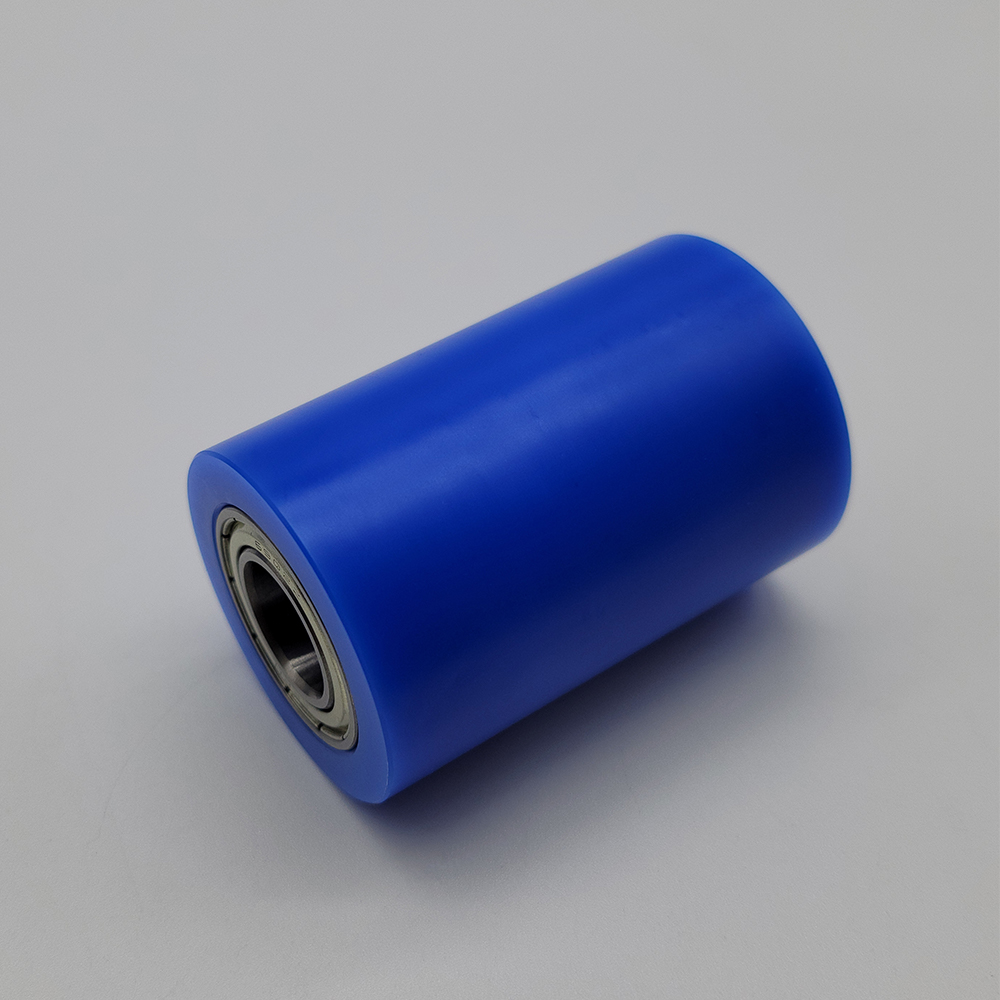
What Are Polyurethane Forklift Wheels?
A polyurethane forklift wheel is typically constructed from:
- A steel or cast iron core, providing structural integrity and load-bearing strength.
- A molded polyurethane outer tread, providing traction, resilience, and surface protection.
They are used on:
- Electric forklifts
- Pallet trucks (manual or powered)
- Order pickers and stackers
- AGV-based lift systems
The wheels may vary by size, durometer (hardness), tread design, hub design, and mounting system, but the core benefit lies in the performance of polyurethane as a wheel tread material.
Why Polyurethane? Key Material Advantages in Industrial Wheels
Polyurethane is not a generic material—it's an engineered polymer that can be chemically tuned to suit mechanical needs. Here's why PU stands out in forklift wheel applications:
- Load Capacity and Compression Strength
Unlike rubber, polyurethane maintains shape under heavy loads without deformation. This means better weight distribution and longer tread life in warehouse use.
- Abrasion and Tear Resistance
Forklifts constantly rotate, turn, and stop under load. PU resists wear and chipping even under tight turning radii and rough floor contact.
- Low Rolling Resistance
PU wheels generate less friction during movement, which improves battery life on electric forklifts and reduces operator fatigue in manual pallet jacks.
- Quiet, Non-Marking Operation
Unlike steel or solid rubber, PU doesn't damage floors, and it runs more quietly, which is essential in indoor distribution centers and cleanrooms.
- Resistance to Oils, Solvents, and Chemicals
Many indoor facilities expose wheels to oil or cleaning chemicals. PU resists most of these substances without softening, swelling, or cracking.
Types of Polyurethane Forklift Wheels
- Drive Wheels
Mounted on the drive motor axis of electric forklifts or pallet jacks, these require high torque transfer and abrasion resistance.
- Load Wheels
Positioned under the forks to support cargo, often smaller in diameter but designed to bear significant weight without deformation.
- Caster Wheels
Used for directional control on some light-duty forklift variants or AGVs, requiring higher maneuverability and shock resistance.
- Stabilizer and Support Wheels
Found on reach trucks or specialized forklifts, contributing to balance and smooth lift motion.
Polyurethane forklift wheels offer a unique combination of strength, precision, and endurance, contributing to quieter, cleaner, and more efficient material handling. As demands grow for higher productivity, lower operating noise, and longer service intervals, PU wheels will continue to shape the future of industrial mobility.
Polyurethane Roller&wheel
Shock Absorbing Products
Pulley Wheel
Rack And Pinion
Ball Transfer Unit
CNC Parts