Integrating Polyurethane and Stainless Steel in CNC Parts: Engineering Precision Meets Material Versatility
In the realm of industrial manufacturing and mechanical design, hybrid parts that combine metal cores with polymer coatings or overmolds have become essential. Among these, components that integrate stainless steel with polyurethane—particularly through CNC machining and precision bonding-offer a unique balance of mechanical durability, chemical resistance, and functional surface properties.
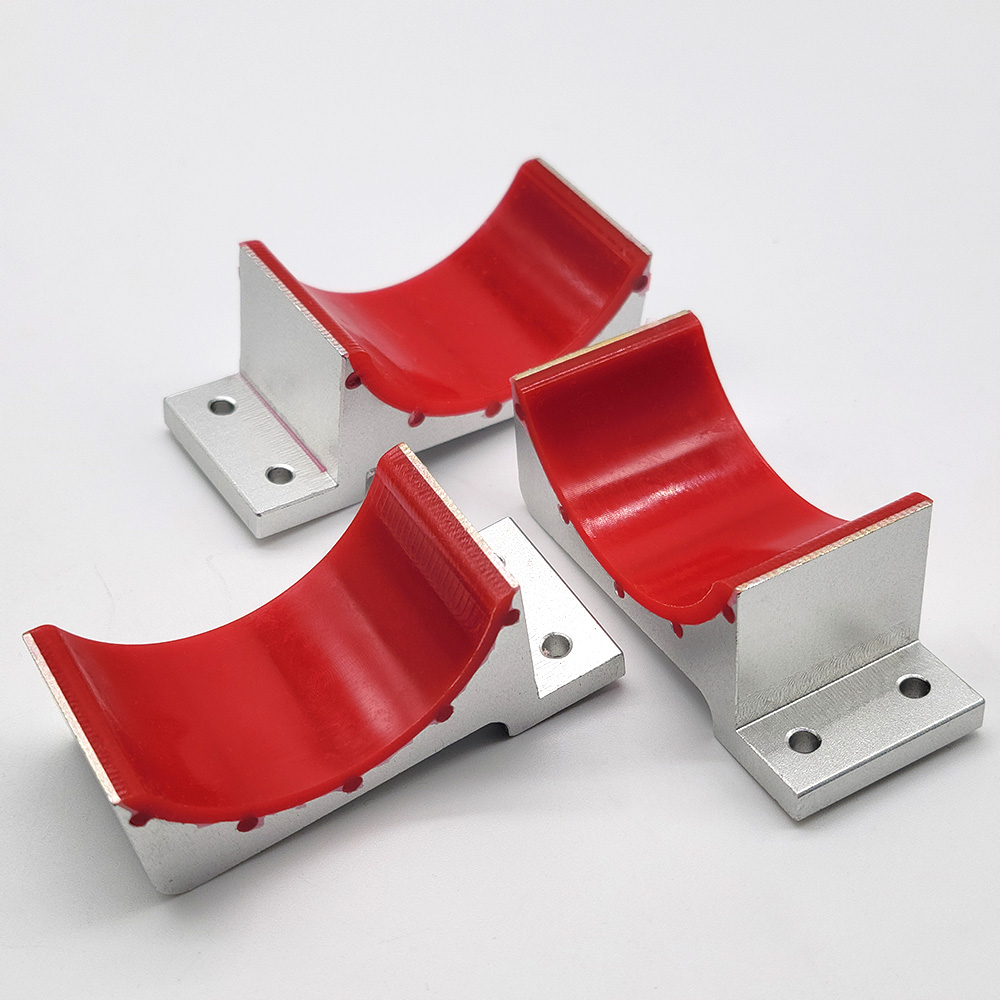
What Are Polyurethane-Stainless Steel CNC Parts?
These are precision-machined components, typically made with a CNC-fabricated stainless steel core, over which a polyurethane layer is cast, bonded, or press-fitted. These parts combine:
- The structural integrity and machining accuracy of stainless steel
- The shock absorption, surface traction, or chemical resistance of polyurethane
Such components may take the form of:
- Custom rollers and wheels
- Vibration-dampening inserts
- Sealing collars or stops
- Precision bushings or guide elements
- Low-friction or non-marking interfaces in moving machinery
Why Combine Stainless Steel and Polyurethane?
This material combination isn't just aesthetic—it's strategic. Here's what each material brings:
1.Stainless Steel
- High mechanical strength
- Exceptional corrosion resistance
- Precision-friendly for CNC turning and milling
- Non-magnetic or magnetic options
- Suitable for wash-down, food-safe, or cleanroom environments
2.Polyuretane
- Excellent wear and tear resistance
- High elasticity and rebound characteristics
- Resistance to oils, solvents, and chemicals
- Adjustable durometer for impact or grip needs
Together, they create parts that are both mechanically robust and functionally versatile, especially when precision tolerances and non-metallic surface properties are simultaneously required.
The integration of polyurethane and stainless steel in CNC parts isn't simply about combining two materials—it's about solving mechanical, chemical, and precision challenges simultaneously. From industrial rollers to vibration isolators and robotic tooling, this material pairing provides manufacturers with flexibility, reliability, and control. The key lies in understanding how to design, manufacture, and deploy these parts with attention to bonding integrity, load conditions, and operational environment.
Polyurethane Roller&wheel
Shock Absorbing Products
Pulley Wheel
Rack And Pinion
Ball Transfer Unit
Spring Plunger
CNC Parts