Polyurethane-Coated Pulley Wheels: Balancing Durability, Traction, and Customization in Modern Material Handling Systems
In today's material handling, conveying, and automated systems, pulley wheels are not just passive rotating components—they are critical transmission and guidance interfaces between driving systems and mechanical loads. One key innovation in this space is the use of polyurethane-coated pulley wheels, which combine the mechanical benefits of a metallic core with the surface performance of engineered elastomers.
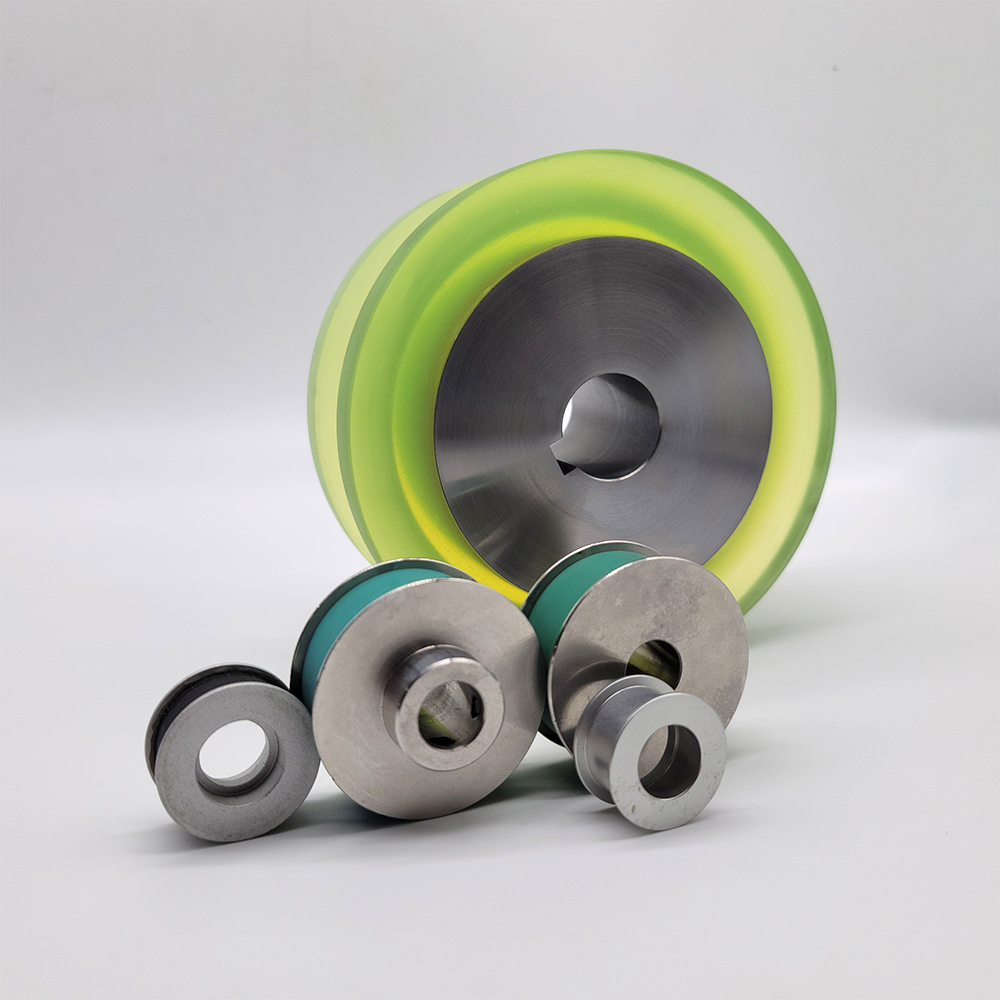
What Is a Polyurethane-Coated Pulley Wheel?
A polyurethane-coated pulley wheel consists of:
- A metal core (usually aluminum, steel, or cast iron) that provides structural rigidity and load capacity
- An outer polyurethane layer molded, cast, or bonded onto the wheel surface, designed for controlled friction, shock absorption, and wear resistance
This design is often used in:
- Belt-driven systems
- Tensioners
- Guide rollers
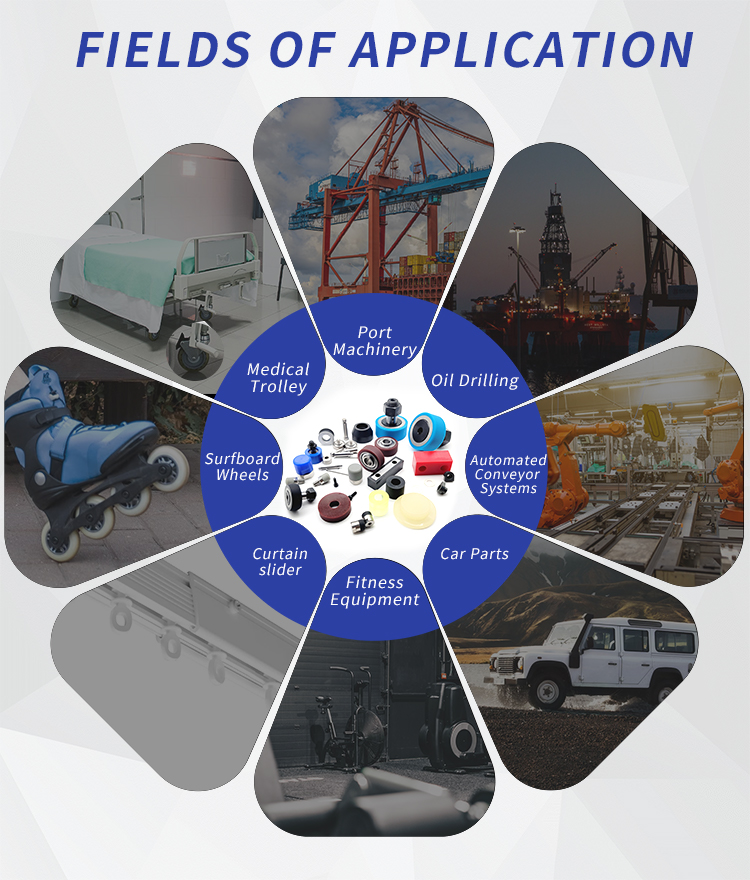
- Drive pulleys in conveyor lines
The outer polyurethane layer may vary in thickness, hardness (durometer), color, or surface texture, depending on application requirements.
Why Polyurethane? The Material's Strength in Surface Coatings
Polyurethane (PU) is a polymer known for its mechanical versatility. When applied as a wheel coating, it offers the following advantages:
- Abrasion Resistance
Polyurethane resists surface wear much better than rubber or standard plastics, even under highcycle or abrasive environments.
- Load Capacity
PU coatings can be engineered to handle heavy loads without compression set or deformation.
- Traction Control
Surface grip can be fine-tuned by selecting different PU grades or applying textures (e.g., grooved, roughened, or smooth surfaces).
- Noise Reduction
Soft polyurethane absorbs vibrations and reduces noise in high-speed machinery, making it ideal for warehouse and retail applications.
- Chemical and Oil Resistance
Unlike traditional elastomers, polyurethane resists many oils, greases, and solvents.
- Temperature Stability
PU remains mechanically stable across a wide operating range (typically -30C to 80C, with some formulations extending further).
Key Performance Parameters to Consider
When specifying or sourcing PU-coated pulley wheels, engineers must weigh several parameters:
- Durometer (Hardness)
Measured in Shore A, common PU ranges from 70A (soft) to 95A (hard). Softer coatings offer more grip and cushioning, while harder ones support speed and wear.
- Surface Finish
Grooved, smooth, diamond-cut, or knurled-surface finish affects belt tracking and friction.
- Tolerance and Runout
Especially for high-speed systems, concentricity and precision-machining of the pulley are vital for belt life and noise.
- Bonding Integrity
A poorly bonded PU layer can delaminate under torque or heat. Check for appropriate curing methods and inspection protocols during manufacture.
Polyurethane-coated pulley wheels represent a precise balance between mechanical strength and surface control. Their unique ability to customize performance characteristics-from load capacity to traction and environmental resistance—makes them a trusted solution across dozens of industries.
Polyurethane Roller&wheel
Ball Transfer Unit
Spring Plunger
CNC Parts
Rack And Pinion
Shock Absorbing Products