In modern manufacturing, surface treatment is more than a finishing touch-it is a critical factor that affects product durability, corrosion resistance, mechanical performance, and appearance. For metal components used in industries such as automotive, material handling, machinery, and electronics, selecting the right surface treatment can significantly improve service life and functionality.
Why Surface Treatment Matters
Metal parts are often exposed to harsh environments, including:
- Moisture and humidity
- Friction and wear
- Chemical exposure
- Extreme temperatures
Without appropriate surface treatment, these factors can lead to:
- Corrosion
- Wear and abrasion
- Reduced mechanical strength
- Aesthetic degradation
Surface treatment helps prevent or minimize these issues, ensuring that components maintain their performance and reliability over time.
Common Surface Treatment Methods
1. Zinc Plating (Galvanization)
- Function: Provides sacrificial corrosion protection by coating steel with a thin layer of zinc.
- Appearance: Usually silver or yellowish (with chromate).
- Applications: Fasteners, brackets, rollers, frames.
- Pros: Cost-effective, decent corrosion resistance.
- Limitations: Not ideal for marine or acidic environments.
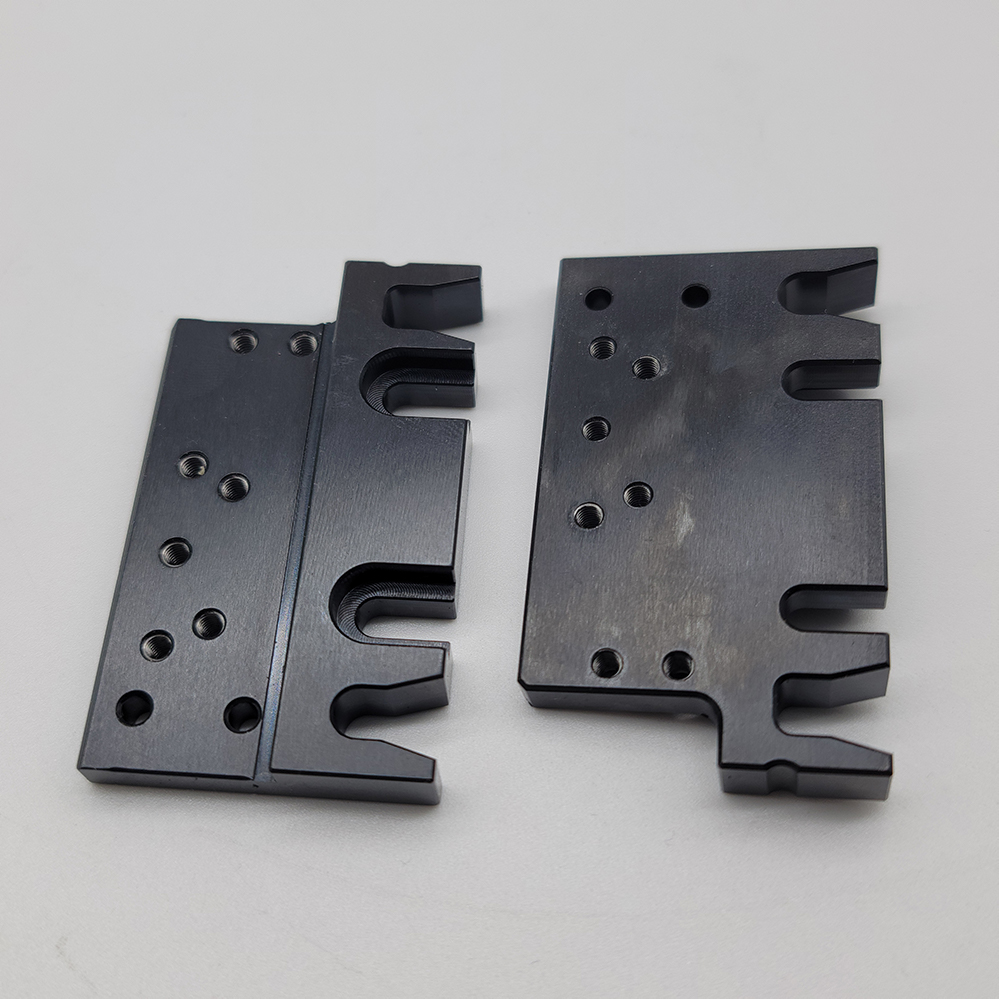
2.Black Oxide
- Function: Converts the surface of steel into magnetite (Fe:O4), a black oxide that improves corrosion resistance and reduces light reflection.
- Appearance: Matte black finish.
- Applications: Tools, shafts, gears.
- Pros: Preserves dimensions, enhances appearance, mild corrosion resistance.
- Limitations: Requires oiling; not suitable for long-term outdoor exposure.
3.Limitations: Requires oiling; not suitable for long-term outdoor exposure.
- Function: Electrochemically thickens the natural oxide layer on aluminum, improving corrosion resistance and hardness.
- Appearance: Can be clear or dyed in various colors.
- Applications: Aerospace parts, enclosures, precision equipment.
- Pros: Lightweight and non-conductive; decorative.
- Limitations: Only for aluminum and certain alloys.
4.Phosphate Coating
- Function: Forms a crystalline coating that improves paint adhesion and offers mild corrosion protection.
- Types: Zinc phosphate (for corrosion), manganese phosphate (for wear resistance).
- Applications: Automotive parts, firearm components.
- Pros: Good base for painting or lubrication.
- Limitations: Porous—often needs sealing.
5.Powder Coating
- Function: Applies a dry thermoset polymer powder electrostatically and cures it to form a hard, colorful finish.
- Appearance: Smooth, glossy or matte in a wide color range.
- Applications: Frames, machinery covers, casings.
- Pros: High durability, uniform thickness, chemical resistance.
- Limitations: Not suitable for tight-tolerance parts.
6.Electropolishing
- Function: An electrochemical process that removes surface material to smooth and polish metal.
- Applications: Stainless steel, medical instruments, food-grade parts.
- Pros: Improves hygiene, removes microburrs, corrosion-resistant.
- Limitations: Relatively costly; only for conductive materials.
7.Nickel Plating
- Function: Deposits a nickel layer to improve wear and corrosion resistance.
- Types: Electrolytic or electroless.
- Applications: Bearings, connectors, electronic components.
- Pros: Attractive finish, good hardness.
- Limitations: Requires strict process control.
Surface Treatment in Conveyor and Roller Systems
In industries like logistics, warehousing, and printing, rollers and pulley wheels face constant friction and environmental wear. Common practices include:
- Zinc-plated steel rollers: for rust resistance in dry environments.
- Black oxide treated shafts: for anti-glare and reduced friction.
- Anodized aluminum pulleys: for weight-sensitive or non-corrosive requirements.
- Powder-coated frames: for color-coding and visual safety.
These finishes not only improve component lifespan but also reduce downtime caused by part failure or corrosion.
Surface treatment is not merely aesthetic-it is an essential part of modern manufacturing strategy. With the right selection, metal components can achieve longer lifespans, greater safety, and lower lifecycle costs.
Whether you're producing custom CNC parts, heavy-duty rollers, or industrial machine frames, understanding the strengths and limitations of surface treatments helps ensure component performance in real-world conditions.
Polyurethane Roller&wheel
Shock Absorbing Products
Pulley Wheel
Rack And Pinion
Ball Transfer Unit
CNC Parts