In metalworking and CNC machining, chamfering is often perceived as a simple finishing step—an angled cut at the edge of a workpiece. However, beyond aesthetics, chamfering plays a crucial role in functionality, safety, and component compatibility across a wide range of industrial applications.
As precision and product integrity become ever more important, the practice of chamfering has evolved into a deliberate and essential feature of modern part design and fabrication.
What Is Chamfering?
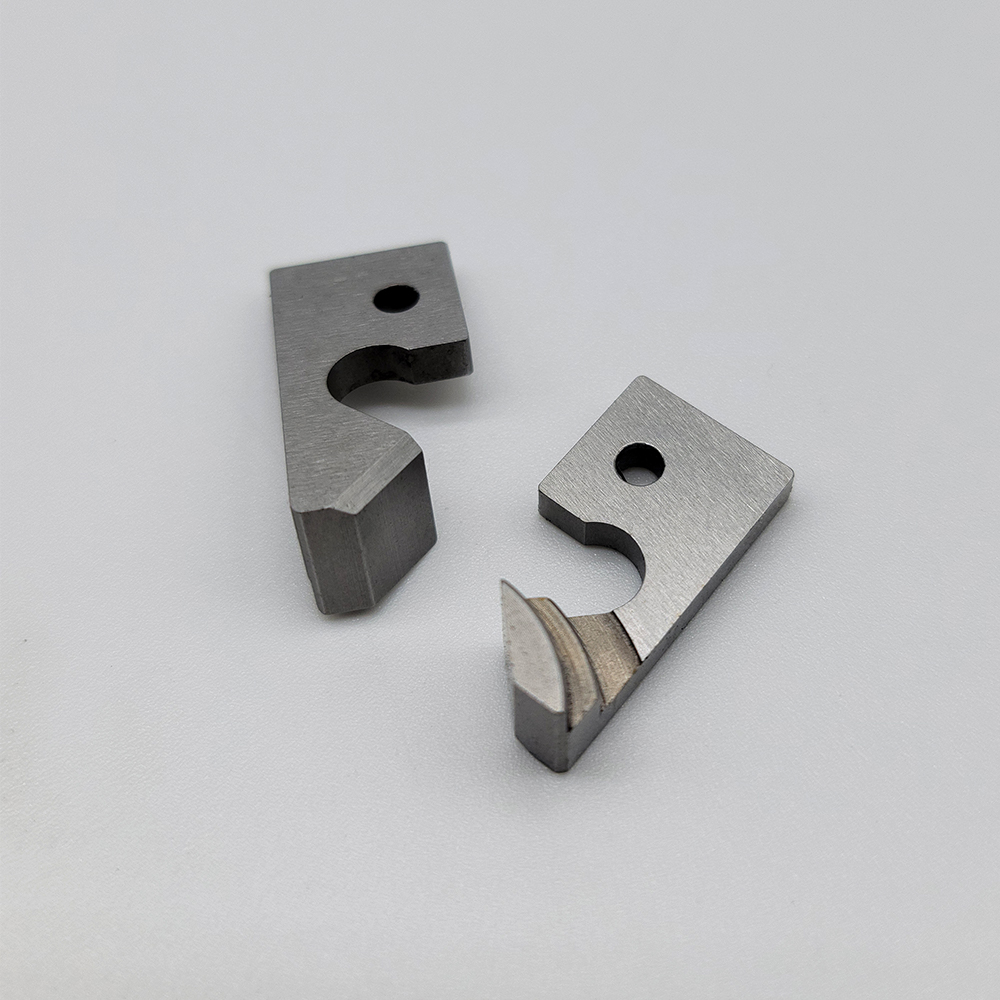
Chamfering is the process of cutting or grinding a sloped edge—typically 45°—on a part where two surfaces meet, usually along the perimeter of holes, ends of shafts, or edges of rectangular blocks. Unlike radiusing, which creates a rounded profile, chamfering creates a flat, angled transition. Chamfers can be internal (e.g., at the mouth of a drilled hole) or external (e.g., around the outer edge of a component).
Why Chamfering Matters
- Assembly Facilitation
Chamfered edges make parts easier to fit together, especially when inserting shafts into holes, aligning mechanical assemblies, or guiding bearings and fasteners into position. This is particularly valuable in automated assembly lines, where precision and speed are critical.
- Stress Reduction
Sharp 90° corners can act as stress concentrators, making parts more prone to cracking under load or fatigue. A chamfer helps distribute stress more evenly, especially in materials like aluminum or hard plastics.
- Deburring and Safety
Chamfering also removes burrs and sharp edges left from machining processes, improving both the safety of manual handling and the precision of mating surfaces. This is especially important inl consumer-facing or wearable products, where edge quality affects both performance and user experience.
- Functional Design Requirement
Some components—such as gears, bushings, or bearing seats—require chamfers as a functional feature. In these cases, the chamfer is specified not just for form, but for proper mechanical engagement.
Common Applications of Chamfering
| Component | Chamfer Function |
| Threaded holes | Easier screw engagement; prevents thread damage |
| CNC-machined blocks | Edge protection, aesthetic finish, safer handling |
| Pulley wheel bores | Smooth bearing insertion and alignment |
| Gears and shafts | Accurate meshing, reduced wear at high contact points |
| Roller assemblies | Guided fitting into housings or tracks |
| Precision bushings | Tolerance-based mating and alignment |
Chamfering in CNC Machining
In CNC manufacturing, chamfers are usually programmed as part of the toolpath. Dedicated chamfering tools or multi-axis mills perform this operation quickly and precisely. Tolerances can be controlled down to hundredths of a millimeter, depending on the application.
Chamfer size is usually specified by two dimensions:
- Length (or width) of the chamfer
- Angle of the cut, commonly 45°, but other angles (30°, 60°) may be used depending on design requirements
Chamfering is a deceptively simple yet strategically important operation in modern machining and product design. It contributes to improved performance, safety, ease of assembly, and mechanical integrity—without adding significant cost or complexity.
Polyurethane Roller&wheel
Shock Absorbing Products
Pulley Wheel
Rack And Pinion
Ball Transfer Unit