Threaded connections are the backbone of modern mechanical assembly, allowing parts to be joined with strength, precision, and repeatability. However, thread damage-whether in bolts, nuts, inserts, or tapped holes-remains a persistent issue in manufacturing, maintenance, and field applications.
Common Causes of Thread Damage
Thread failure is often preventable if root causes are properly understood. These include:
- Over-Tightening
Using excessive torque can lead to plastic deformation or shearing of the threads, especially in softer materials like aluminum or plastics.
- Cross-Threading
Misaligned insertion during assembly causes threads to cut across each other, creating permanent deformation and reducing load capacity.
- Galling
Particularly with stainless steel fasteners, galling is a form of cold welding caused by friction, where threads seize during tightening.
- Corrosion
Exposure to moisture, chemicals, or extreme temperatures can lead to thread degradation over time, weakening their integrity.
- Material Incompatibility
Pairing dissimilar metals (e.g., steel screw into aluminum housing) can cause galvanic corrosion and accelerated wear.
Preventative Design Measures
Avoiding thread damage starts with smart design and appropriate fastener selection.
Thread Inserts
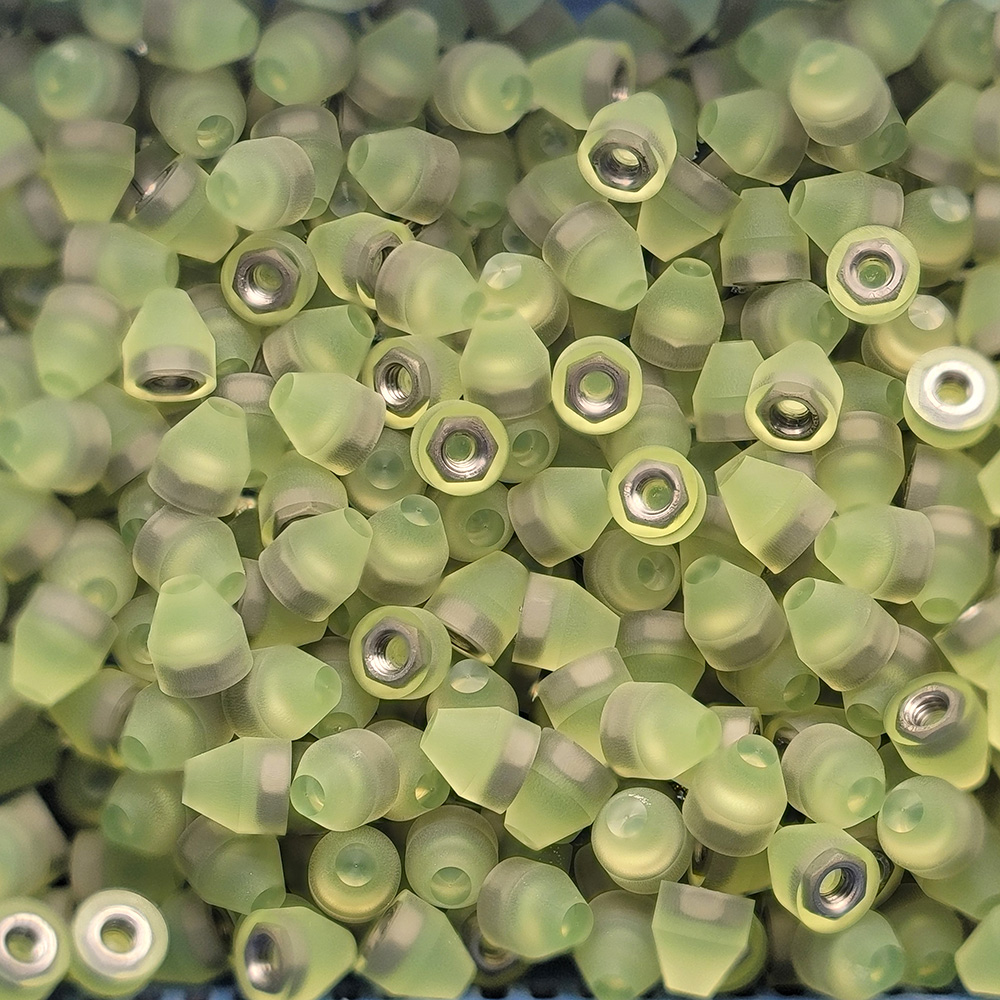
Using helical coil inserts (e.g., Heli-Coil®) or solid threaded bushings in soft base materials (like cast aluminum or magnesium) can protect the parent component from damage.
- These inserts distribute load more evenly.
- They can be replaced independently if threads wear out.
Torque Specifications
All threaded assemblies should be defined by precise torque values, based on material strength, thread size, and lubrication status.
- Use torque charts or test-based calibration.
- Avoid "feel-based" tightening in critical assemblies.
Thread Engagement
Ensure minimum engagement length—typically 1x to 1.5x the bolt diameter for full-strength connections. Insufficient thread depth increases stripping risk.
Surface Treatments and Coatings
Treating the threads can significantly enhance durability and reduce friction, wear, and corrosion.
| Treatment | Function | Typical Use |
| Zinc Plating | Basic corrosion protection | Automotive, general hardware |
| Black Oxide | Light corrosion resistance, better look | Tools, mild indoor environments |
| PTFE Coating | Anti-galling and low friction | Stainless steel fasteners |
| Phosphate Coating | Anti-seizing and paint bonding | Structural steel, military |
| Anodizing | Surface hardening for aluminum threads | Aerospace, lightweight components |
Properly specified coatings help reduce galling, improve torque control, and extend part life.
Threaded fasteners may be simple in appearance, but ensuring their reliability requires careful attention at every stage—from design and material choice to assembly practices and field repair strategies. By applying practical preventive measures and understanding the root causes of thread damage, manufacturers and engineers can achieve more durable, serviceable, and cost-effective products.
Whether in high-volume production or custom equipment builds, thread integrity is a small detail with major consequences. Preventing thread damage is not only about avoiding failure—it's about protecting precision, repeatability, and long-term reliability in every mechanical connection.
Polyurethane Roller&wheel
Shock Absorbing Products
Pulley Wheel
Rack And Pinion
Ball Transfer Unit
Spring Plunger
CNC Parts