In the world of industrial manufacturing and metalworking, heat treatment is a fundamental process used to alter the physical and mechanical properties of materials, most commonly metals and alloys. Though often overlooked outside engineering circles, heat treatment plays a crucial role in enhancing strength, hardness, wear resistance, and machinability—characteristics that directly affect a component's performance and service life.
What Is Heat Treatment?
Heat treatment refers to a group of industrial thermal processes that involve controlled heating and cooling of metals to achieve specific material characteristics. Unlike melting or casting, heat treatment does not change the shape or size of the component; instead, it alters its internal structure—most notably the crystal structure of the metal.
Depending on the process, heat treatment can improve:
- Hardness
- Tensile strength
- Ductility
- Toughness
- Corrosion resistance
- Machinability
It is widely used on materials like carbon steel, stainless steel, aluminum, copper alloys, and tool steels.
Why Is Heat Treatment Necessary?
No single metal or alloy comes with all the desirable properties in its raw form. For example:
- Steel may be strong but too brittle in its untreated state.
- Aluminum alloys might need stress relief after machining.
- Tool steels require hardness and wear resistance that only heat treatment can provide.
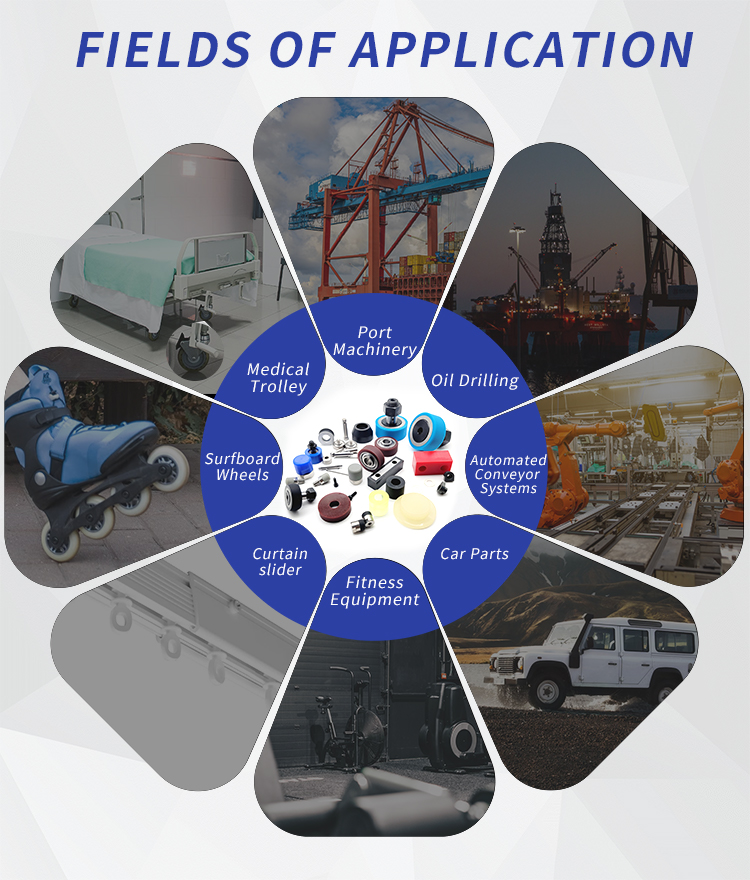
In short, heat treatment is a way to engineer materials for specific operating conditions, making it essential in industries such as:
- Automotive
- Aerospace
- Heavy machinery
- Precision machining
- Tool and die manufacturing
Common Heat Treatment Processes
- Annealing
A process of slow heating followed by slow cooling, annealing softens metal, improves ductility, and relieves internal stresses. It's often used before machining or forming.
- Normalizing
Similar to annealing but with air cooling, normalizing refines grain structure and improves mechanical uniformity in steel. It is commonly used for forged or cast components.
- Hardening
Involves heating the metal (usually steel) to a high temperature and rapidly cooling it in water, oil, or air. This increases hardness but often makes the material brittle.
- Tempering
Performed after hardening, tempering involves reheating to a lower temperature, then cooling. It reduces brittleness while retaining hardness, balancing strength and toughness.
- Quenching
A rapid cooling method—usually after hardening—to lock in a specific crystalline structure.d Different quenching media (oil, water, air, salt baths) affect final properties.
- Case Hardening (Carburizing/Nitriding)
Adds a hard outer surface to low-carbon steel while keeping the inner core softer. Ideal for components like gears, shafts, and cam followers that need surface wear resistance.
How Heat Treatment Affects Material Structure
Metals are made of grains and crystalline structures that determine their mechanical properties. Heat treatment changes these structures at a microscopic level.
For example:
- Pearlite, ferrite, martensite, and bainite are microstructures formed in steel depending on cooling rates and temperatures.
- Martensite is hard and brittle—formed through rapid quenching.
- Ferrite is soft and ductile—typical in annealed steel.
Understanding these transformations helps engineers tailor material behavior to specific loads, stresses, and wear conditions.
Industrial Applications of Heat Treatment
- Automotive
Engine parts like crankshafts, camshafts, axles, and gears are heat-treated for fatigue resistance and durability.
- Aerospace
Heat treatment ensures tight tolerances and stress relief in aircraft components made from aluminum and titanium alloys.
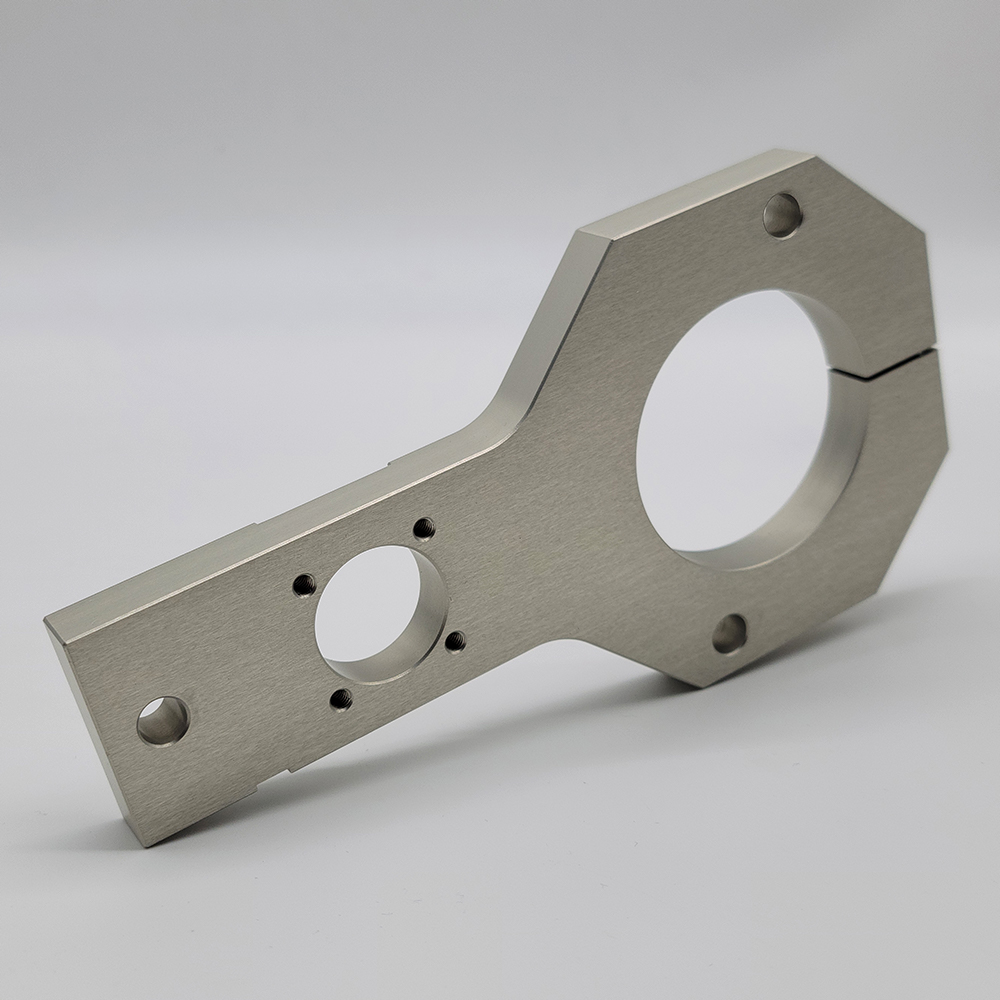
- CNC Machined Components
Many custom metal parts undergo heat treatment post-machining to achieve dimensional stability and hardness, especially in carbon steel and tool steel parts.
- Tooling and Dies
Tool steels are heat-treated for maximum hardness and wear resistance, essential for dies, punches, and molds.
- Agricultural and Heavy Equipment
Heat-treated pins, rollers, and bushings withstand high-impact and abrasive conditions.
Heat Treatment and Cost Considerations
While heat treatment adds cost and time to the manufacturing process, the performance benefits often outweigh the expense. Properly treated parts can last longer, reduce warranty claims, and perform more reliably in demanding environments.
However, the following points must be considered:
- Not all materials are heat-treatable.
- Improper treatment can ruin a part.
- Distortion can occur during rapid cooling or uneven heating.
As such, many companies work with specialized heat treatment service providers who understand the material science and practical handling involved.
Heat Treatment in Custom and OEM Manufacturing
In custom CNC machining and OEM parts production, heat treatment is often part of the value added services offered to enhance final product performance.
Examples include:
- Examples include:
- Tempered shafts for linear motion systems
- Quenched and tempered rollers for conveyors
Manufacturers often design parts with heat treatment in mind, selecting materials and tolerances that accommodate thermal cycles.
Heat treatment is a core process in modern manufacturing, enabling metals to meet the rigorous demands of industrial applications. While the science behind it is complex, its purpose is straightforward: to enhance material performance for real-world use.
By understanding the different heat treatment methods and their effects on material behavior, engineers and procurement specialists can make informed choices that balance performance, durability, and cost-effectiveness.
Polyurethane Roller&wheel
Shock Absorbing Products
Pulley Wheel
Rack And Pinion
Ball Transfer Unit
Spring Plunger
CNC Parts