In the evolving landscape of industrial manufacturing, material selection remains a critical decision that influences product performance, durability, and cost-efficiency. Among the wide range of options, carbon steel stands out as a time-tested material offering an exceptional balance of mechanical properties and economic practicality.
What Is Carbon Steel?
Carbon steel is a type of steel where the primary alloying element is carbon. Unlike stainless steel or tool steel, carbon steel contains limited amounts of other alloying elements such as chromium, molybdenum, or nickel. It is broadly classified based on the percentage of carbon content:
- Low carbon steel (mild steel): < 0.25% carbon
- Medium carbon steel: 0.25%-0.60% carbon
- Medium carbon steel: 0.25%-0.60% carbon
This simple yet powerful composition gives carbon steel its strength, ductility, and ease of fabrication—key traits that continue to support its widespread use.
Key Properties of Carbon Steel
- Mechanical Strength
Carbon steel offers excellent tensile and yield strength, making it ideal for structural and loadbearing applications. Medium and high-carbon variants exhibit increased hardness and wear resistance.
- Machinability
Low carbon steel is easy to cut, shape, and weld, which is why it is often chosen for fabricated components, chassis, brackets, and CNC-machined parts.
- Cost Efficiency
Compared to alloyed steels or specialty metals, carbon steel is more affordable without significantly compromising performance in general-purpose use.
- Surface Compatibility
Carbon steel is compatible with various surface treatments, such as galvanization, painting, phosphating, and heat treatment, allowing customization for different environments.
Common Applications in Manufacturing
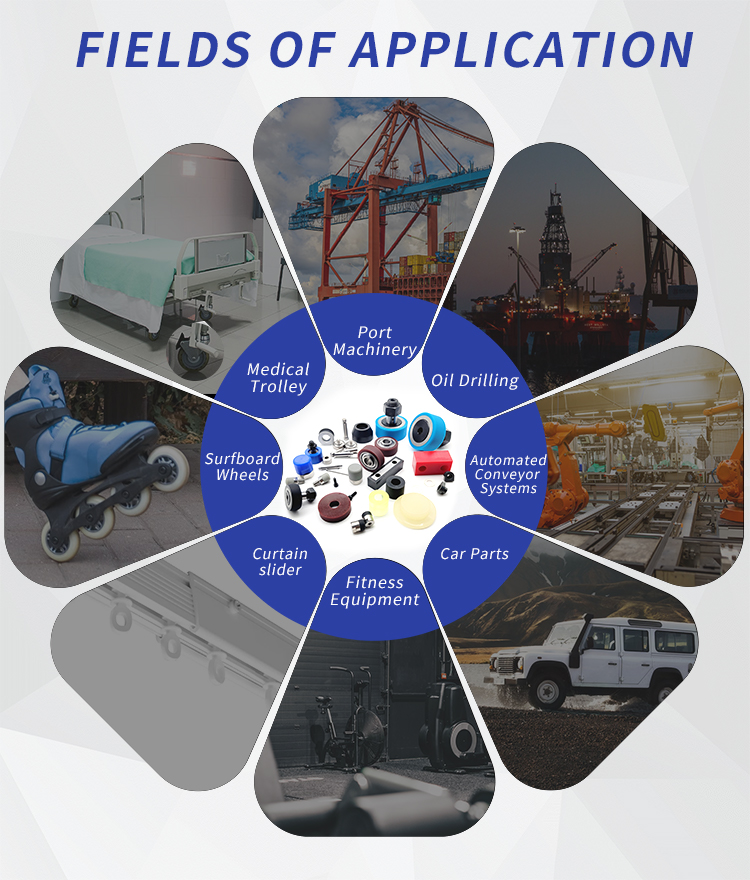
- Construction and Infrastructure
Carbon steel is heavily used in beams, columns, bridges, and rebar, providing reliable support with manageable cost. Structural-grade steels like ASTM A36 are standard in this sector.
- Machinery Components
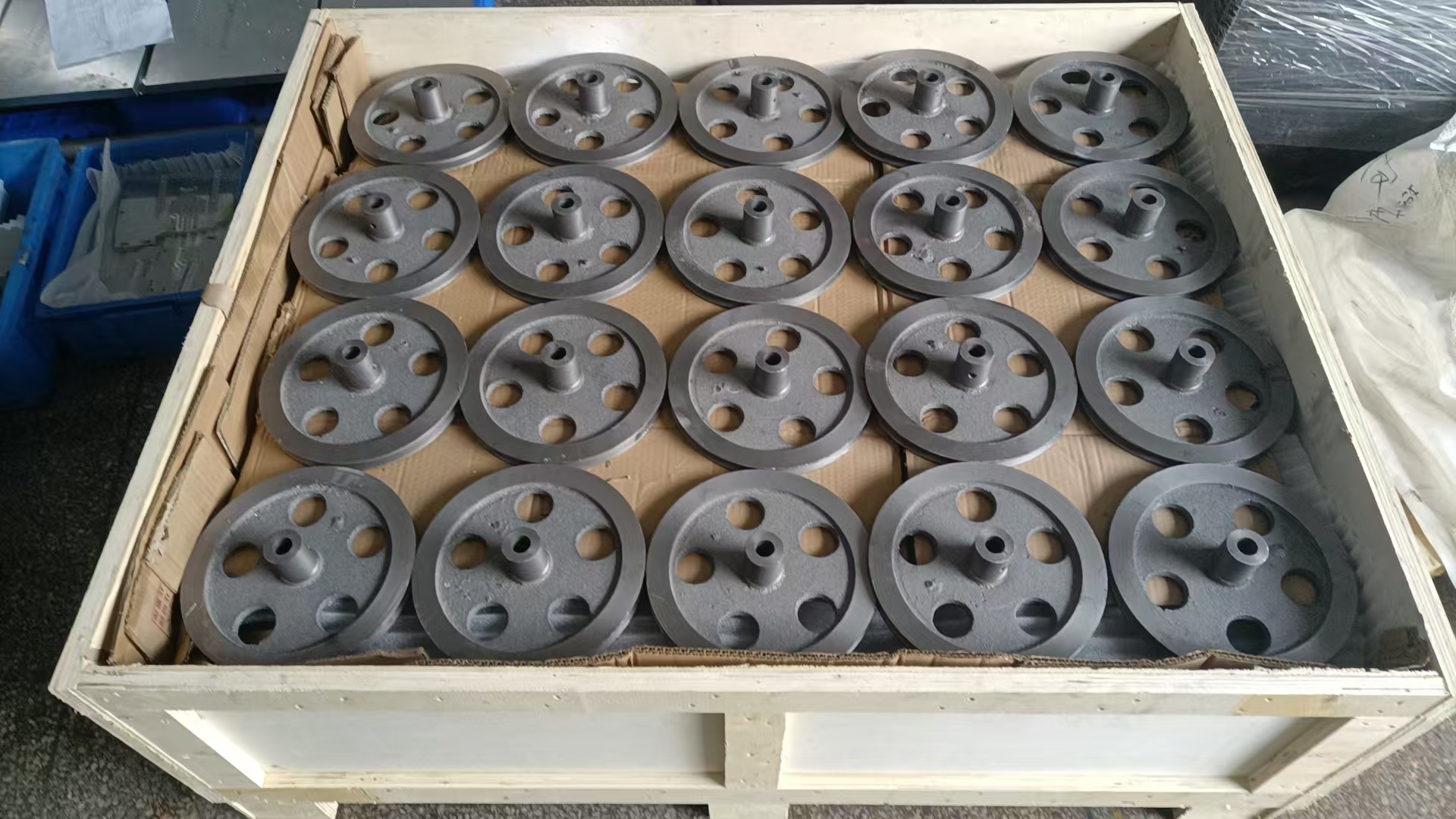
In mechanical equipment, carbon steel is found in shafts, gears, rollers, plates, frames, and fasteners. Medium carbon steel is favored where moderate hardness and strength are required.
- Automotive Industry
Automotive manufacturers rely on carbon steel for chassis parts, steering components, and suspension systems, especially where forming and welding are essential during production.
- Tooling and Cutting Applications
High carbon steels are used to produce hand tools, blades, and wear-resistant components, where edge retention and hardness are necessary.
- Industrial Fabrication
From custom brackets and flanges to heavy-duty support structures, carbon steel is a staple in custom CNC part production, laser cutting, and sheet metal fabrication.
Limitations and Considerations
Despite its benefits, carbon steel is not suitable for every environment. Engineers and purchasers should be aware of the following:
- Corrosion susceptibility: Carbon steel rusts when exposed to moisture or corrosive chemicals unless protected by coatings or plating.
- Brittleness in high-carbon grades: As carbon content increases, ductility decreases, making high-carbon steel more prone to cracking under sudden load or impact.
- Magnetism: Carbon steel is magnetic, which may be unsuitable for certain electronic or sensitive equipment enclosures.
Surface Treatments and Protection Methods
To overcome corrosion and environmental exposure, carbon steel components are often treated with:
- Galvanizing (zinc coating): Provides a durable rust-resistant surface
- Powder coating or painting: Adds aesthetic and protective layers
- Phosphating: Enhances paint adhesion and reduces friction
- Black oxide coating: Offers mild corrosion protection and a uniform black appearance
- Heat treatment: Adjusts hardness, strength, and wear performance based on application
These treatments allow carbon steel to adapt to both outdoor environments and harsh working conditions, extending service life.
Why Manufacturers Still Prefer Carbon Steel
Despite the availability of lightweight alloys and corrosion-resistant materials, carbon steel remains a default material for many reasons:
| Feature | Advantage |
| Readily available | Global supply chains support fast sourcing |
| Easy to process | Compatible with standard machining and welding |
| Cost-effective | Lower per-unit cost compared to alloys |
| Versatile | Suitable for both light-duty and heavy-duty use |
| Consistent performance | Predictable properties in bulk production |
These factors are particularly valuable for OEM suppliers, CNC shops, and industrial equipment manufacturers who must balance quality with lead time and budget constraints.
Carbon steel continues to earn its place in modern manufacturing by offering a combination of strength, workability, and affordability. While it may lack the corrosion resistance of stainless steel or the weight savings of aluminum, its adaptability and performance in structural and mechanical roles remain unmatched in many scenarios.
From construction beams to custom machined components, and from automotive brackets to machine frames, carbon steel's role in industrial productivity is secure—thanks to its balance of reliability and economy.
Polyurethane Roller&wheel
Shock Absorbing Products
Pulley Wheel
Rack And Pinion
Ball Transfer Unit
Spring Plunger
CNC Parts