Choosing the Right Washer Material: A Practical Guide for Industrial Applications
Washers are one of the most overlooked yet essential components in mechanical assemblies. Acting as spacers, load distributors, or vibration dampeners, washers support the performance and longevity of fasteners and the overall structure. But while their shape is often standardized, the material composition of a washer plays a crucial role in its functionality, especially in demanding industrial environments.
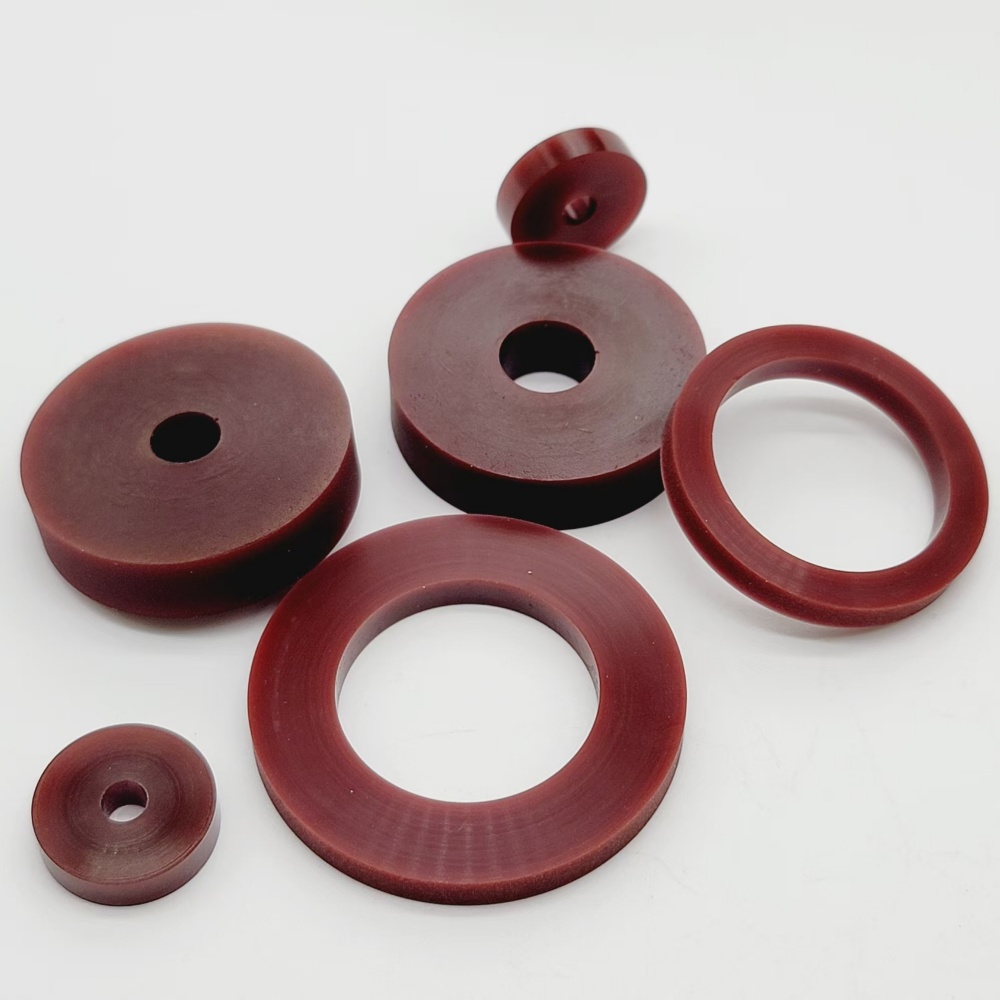
Why Washer Material Matters
The right washer material enhances the integrity of joints, prevents galvanic corrosion, and helps mitigate environmental stress. Factors affected by material include:
- Mechanical strength and load-bearing capacity
- Resistance to heat, moisture, or chemicals
- Electrical insulation or conductivity
- Compatibility with the fastener and contact surfaces
Selecting an unsuitable material can result in premature failure, loosening, or even structural damage over time.
Common Washer Materials and Their Properties
1.Carbon Steel
Characteristics:
- High tensile strength
- Cost-effective and widely available
- Often zinc- or phosphate-coated to resist corrosion
Use Cases:
- General machinery
- Automotive frames
- Industrial construction assemblies
Limitations:
- Susceptible to rust in humid or marine environments unless treated
2.Stainless Steel
Characteristics:
- Excellent corrosion resistance
- Maintains strength under temperature extremes
- Aesthetic finish (especially for visible assemblies)
Use Cases:
- Marine equipment
- Outdoor installations
- Food and pharmaceutical machinery
Limitations:
- More expensive than carbon steel
- Slightly lower yield strength
3.Nylon and Plastic Washers
Characteristics:
- Electrically insulating
- Corrosion-resistant
- Lightweight and low-cost
Use Cases:
- Flectronics
- Non-metallic assembly interfaces
- Vibration dampening mounts
Limitations:
- Lower thermal resistance
- Deformation under heavy load or high temperature
4.Rubber and Elastomer Washers
Characteristics:
- High elasticity and flexibility
- Excellent vibration and noise isolation
- Water-tight sealing capability
Use Cases:
- Plumbing systems
- HVAC equipment
- Dynamic mounts
Limitations:
- Degrades under UV or certain chemicals
- Not suitable for high-load static assemblies
Though small in size, washers play a large role in the mechanical and structural reliability of countless systems. The material selection process should be based not on habit or convenience, but on a clear understanding of environmental stressors, load conditions, and assembly dynamics. Choosing the right washer material—whether it's robust stainless steel, lightweight aluminum, insulating nylon, or damping rubber-can dramatically improve safety, efficiency, and longevity in industrial applications.
Polyurethane Roller&wheel
Shock Absorbing Products
Pulley Wheel
Rack And Pinion
Spring Plunger
CNC Parts