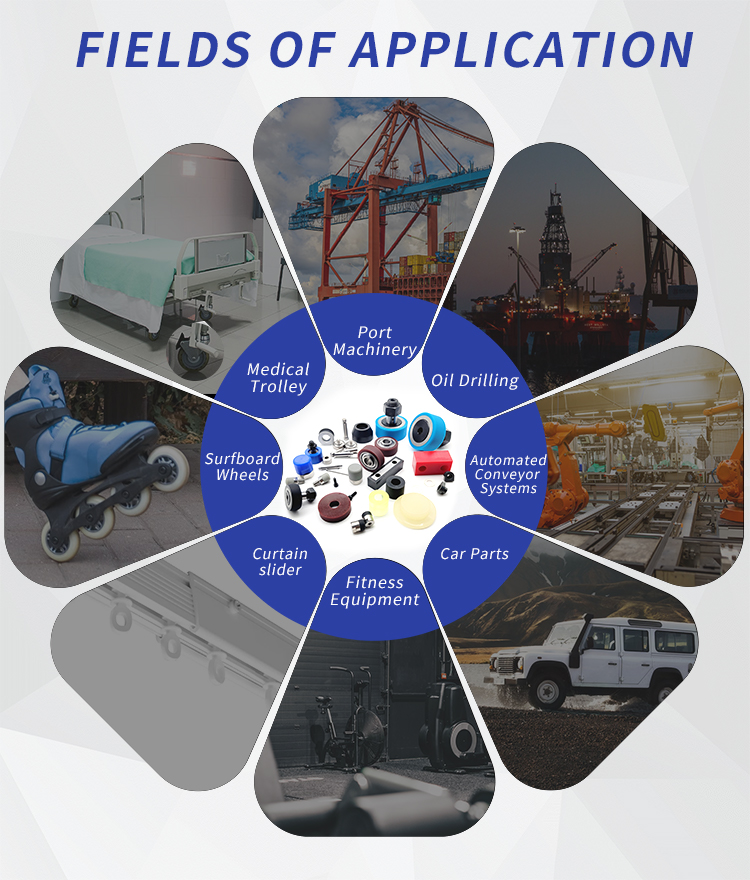
In the world of industrial machinery, coated rollers play a crucial role in material handling, conveying, printing, laminating, and a variety of automated systems. One of the most critical performance attributes of these rollers is the hardness of their outer coating, which directly impacts how they perform under load, speed, and environmental conditions.
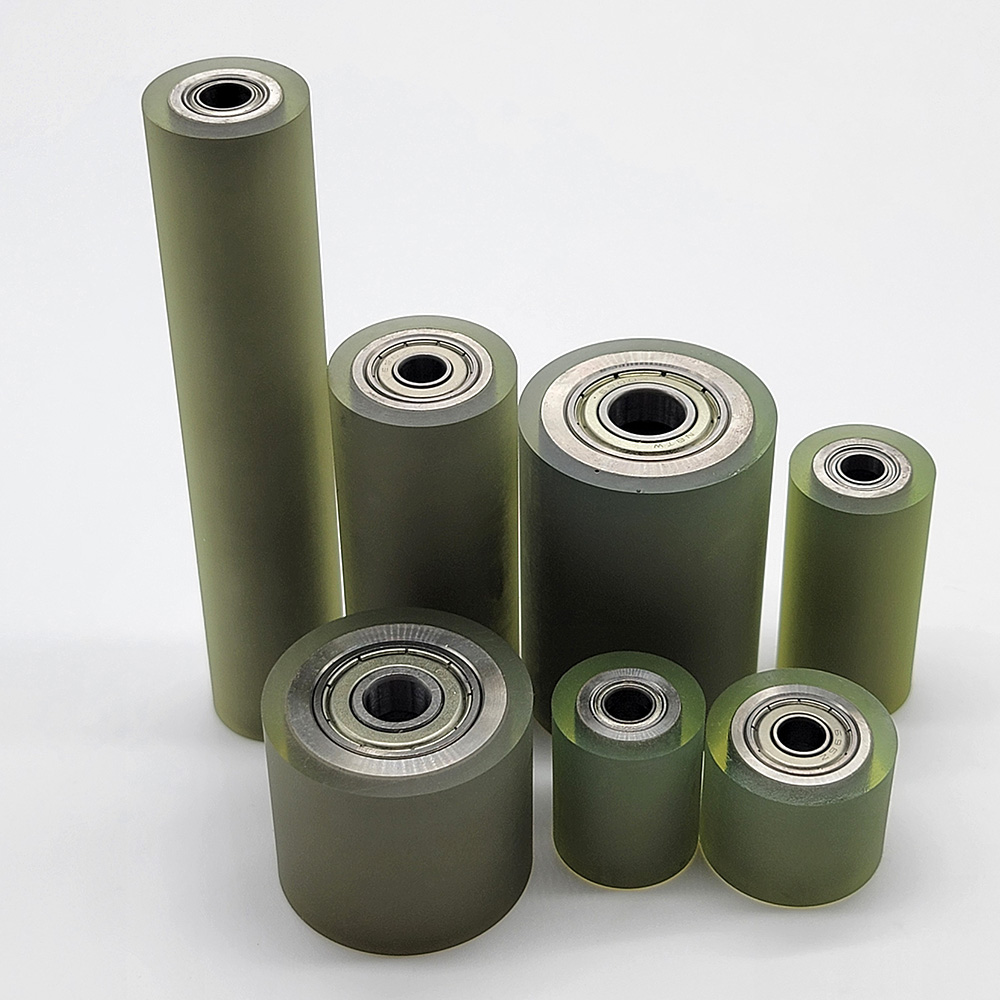
Hardness in coated rollers refers to the resistance of the outer elastomer layer to indentation. It is typically measured using the Shore durometer scale, with Shore A being most common for elastomeric materials used in rollers.
Why Hardness Matters
Load Distribution and Deformation
- Softer rollers provide better grip and can conform to uneven surfaces or delicate materials, but may deform under pressure.
- Harder rollers resist deformation and handle heavy loads, but may cause slippage or damage to sensitive products.
Traction and Surface Contact
The roller's hardness affects contact area and traction:
- Softer rollers increase the contact area, improving grip.
- Harder rollers reduce surface contact, potentially decreasing control in low-friction conditions.
Speed and Heat Buildup
In high-speed applications, softer coatings tend to generate more heat due to internal damping. This can accelerate wear or cause dimensional instability.
The hardness of a coated roller is a foundational characteristic that influences its lifespan, product interaction, energy efficiency, and safety. There is no one-size-fits-all solution. Instead, engineers must weigh load capacity, operating speed, environmental conditions, and material compatibility when selecting the right hardness.
Polyurethane Roller&wheel
Shock Absorbing Products
Pulley Wheel
Ball Transfer Unit
Spring Plunger
CNC Parts