Rubber remains an essential material in the roller manufacturing industry due to its unique combination of elasticity, durability, and resistance to abrasion. In a sector where rollers must often withstand repeated mechanical stress, varying loads, and different environmental conditions, rubber offers tailored solutions that metals or plastics alone cannot provide.
Material Characteristics of Rubber
Rubber used in rollers can be natural or synthetic. Natural rubber is valued for its high elasticity and tensile strength, while synthetic rubbers such as Nitrile Butadiene Rubber (NBR), Neoprene, and EPDM (Ethylene Propylene Diene Monomer) provide enhanced chemical and weather resistance.Key properties include:
- Elasticity: Allows rollers to absorb shock and reduce vibration during operation.
- Abrasion Resistance: Essential for longevity under constant frictional forces.
- Chemical Resistance: Important for rollers used in environments with exposure to oils, solvents, or chemicals.
- Temperature Range: Different rubber formulations can operate effectively from sub-zero to elevated temperatures depending on the compound.
Applications of Rubber Rollers
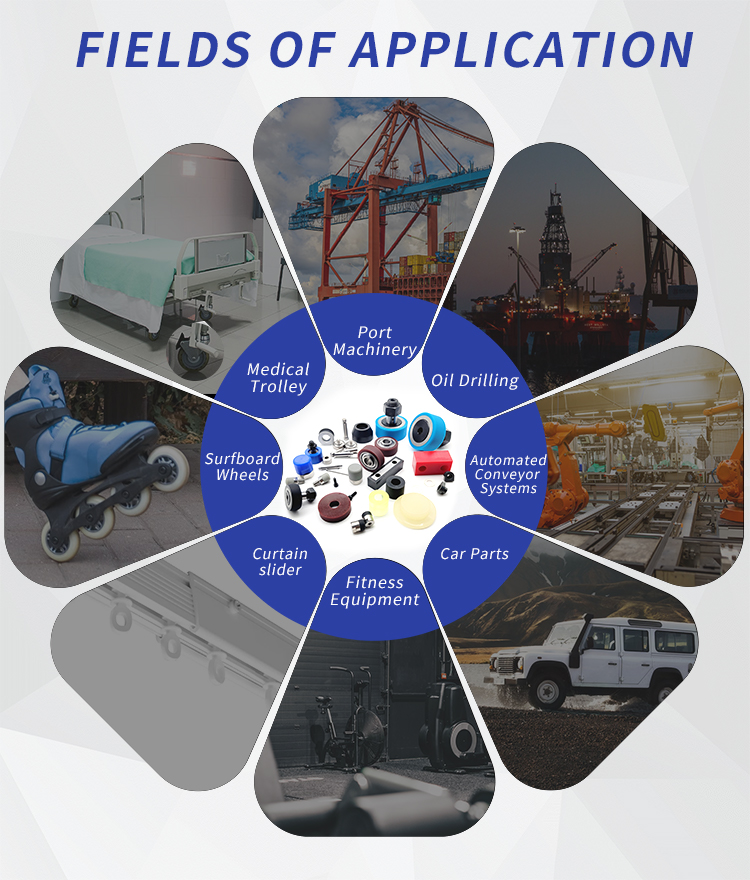
- Printing Industry: Rubber rollers are widely used in printing presses for ink transfer and paperhandling, benefiting from rubber's grip and resilience.
- Material Handling: Conveyors utilize rubber-coated rollers for grip and reduced slippage of transported goods.
- Textile Manufacturing: Rubber rollers help in fabric processing, providing consistent pressureand smooth handling.
- Packaging: Rollers with rubber surfaces assist in guiding, pressing, and transporting packagingmterls.
Manufacturing and Design Considerations
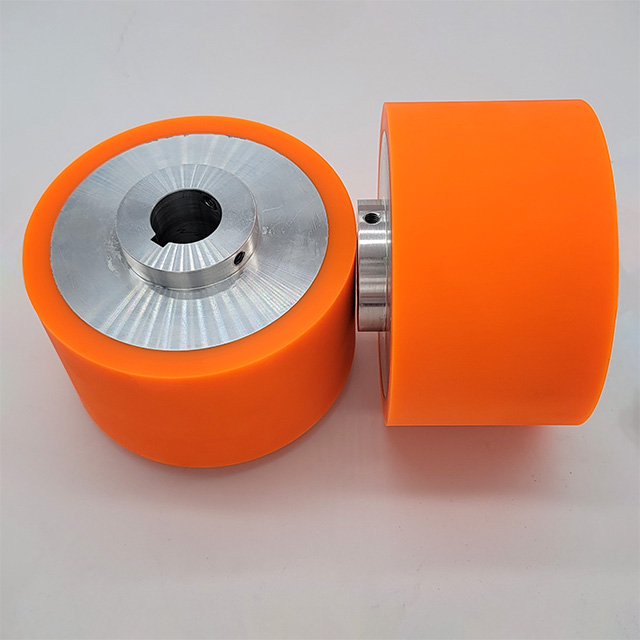
Rubber rollers are typically produced by molding or coating a metal or plastic core with rubber compounds. The choice of rubber type, hardness (measured by Shore A scale), and thickness depends on the specific application requirements such as load, speed, and surface contact. Designers must consider:
- Hardness vs. Elasticity: Softer rubber provides better grip but may wear faster; harder rubber lasts longer but offers less cushioning.
- Bonding Strength: The rubber layer must adhere firmly to the core to prevent delamination under stress.
- Surface Texture: Smooth or patterned surfaces can be designed to optimize grip and material handling.
Industry Trends
Advances in rubber formulation, such as the addition of fillers and additives, have improved the abrasion, heat and chemical resistance of rubber. In addition, mixing rolls combining rubber with polyurethane or other materials aim to balance durability and performance. Sustainability is also a growing concern, with attention being paid to recycled rubber materials and environmentally friendly production methods.
Polyurethane Roller&wheel
Pulley Wheel
Shock Absorbing Products
Rack And Pinion
Ball Transfer Unit
Spring Plunger
CNC Parts
Ungrouped