Aluminum alloys have become increasingly prominent in the design and manufacturing of material handling equipment due to their favorable strength-to-weight ratio, corrosion resistance, and ease of fabrication. As industries strive for efficiency, durability, and safety, aluminum alloys offer solutions that meet the demands of modern logistics and manufacturing environments.
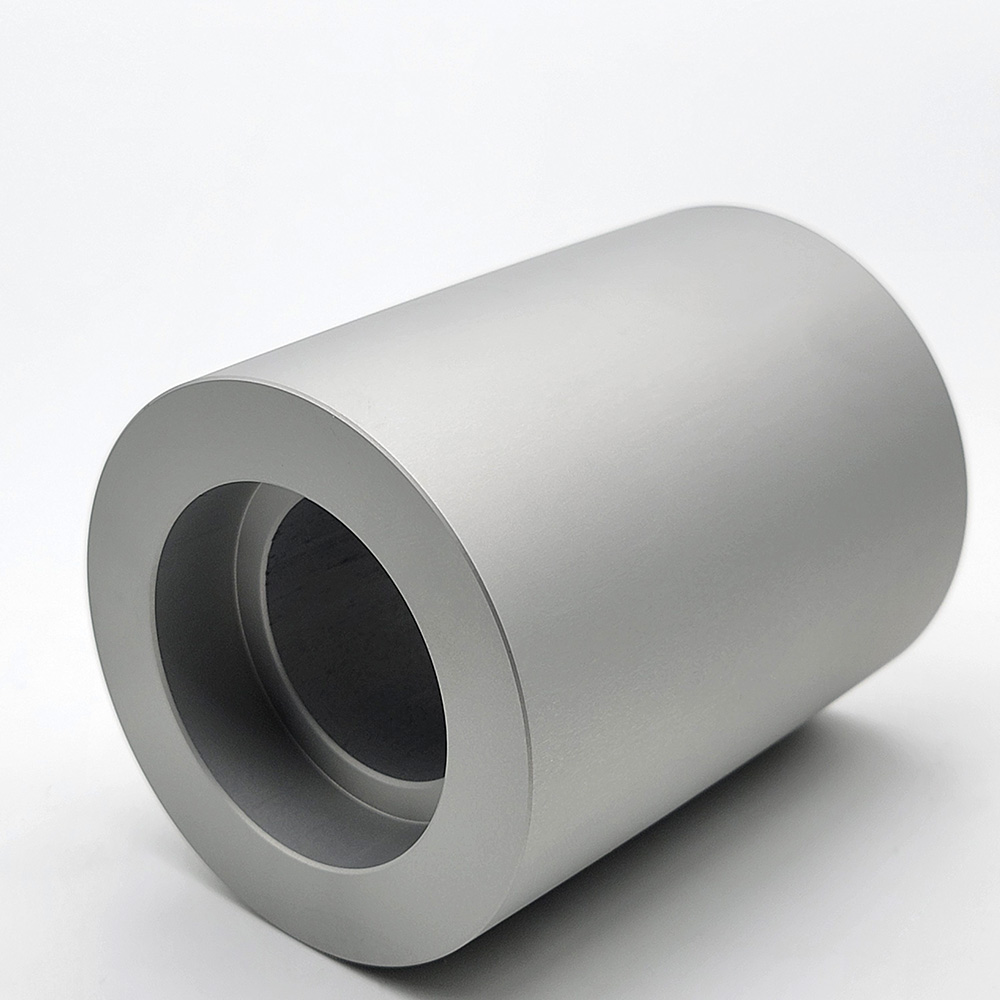
Material Properties of Aluminum Alloys
Aluminum alloys are lightweight metals that combine aluminum with other elements such as magnesium, silicon, and copper to improve mechanical properties. Key characteristics relevant to material handling equipment include:
- High Strength-to-Weight Ratio: Compared to steel, aluminum alloys provide sufficient strength while significantly reducing overall weight.
- CORROSION RESISTANCE: The naturally occurring oxide layer protects the aluminum alloy from rust and many chemicals, which is beneficial in a variety of environments.
- Good machinability and formability: Aluminum alloys can be extruded, cast or machined into complex shapes for versatile equipment design.
- Thermal and Electrical Conductivity: Although less critical for material handling, these properties facilitate certain specialized applications.
Applications in Material Handling Equipment
Aluminum alloys find extensive use in components such as:
- Conveyor Frames and Rollers: Lightweight aluminum structures reduce energy consumption and simplify installation and maintenance.
- Trolleys and Carts: Aluminum reduces the weight of mobile handling devices, improvingmaneuverability and operator safety.
- Lift Platforms and Scissor Lifts: Structural aluminum parts maintain strength while loweringoverall machine weight.
- STORAGE RACKS AND SHELVING: Corrosion-resistant aluminum provides durability in wet or chemical environments.
Polyurethane Roller&wheel
Shock Absorbing Products
Pulley Wheel
Ball Transfer Unit
Spring Plunger
Ungrouped