Nylon is a synthetic polymer belonging to the polyamide family that has become a versatile engineering plastic in a wide range of industrial applications. Known for its strength, toughness and chemical resistance, nylon offers a cost-effective alternative to metals and other polymers in many manufacturing environments. As the industry seeks materials that combine performance with manufacturability, the properties of nylon make it a consistent choice for parts subjected to mechanical stress and environmental exposure.
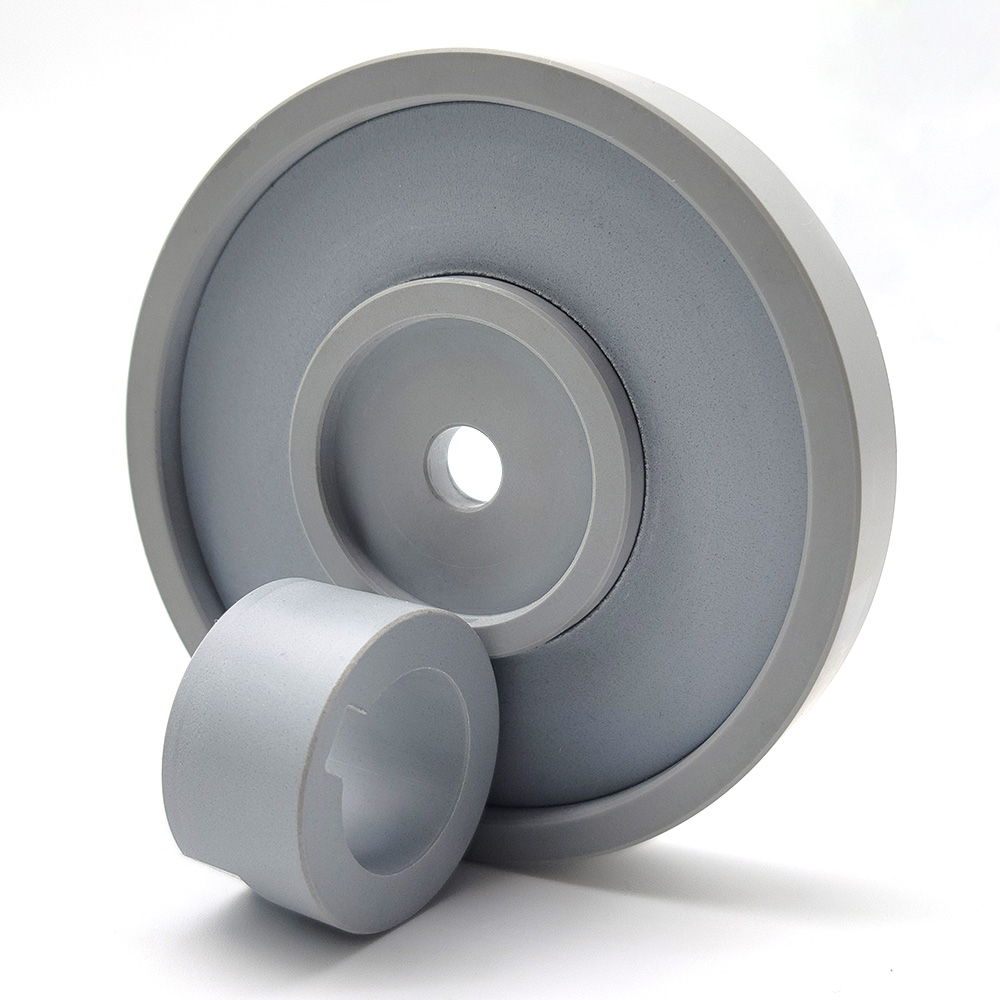
Material Composition and Properties
Nylon refers to a group of polymers composed of repeating amide linkages (-CoNH-). The most common types used industrially are Nylon 6 and Nylon 6,6, differing in their chemical structures and resulting properties. Both types offer:
- High mechanical strength and impact resistance
- Good abrasion resistance
- Moderate chemical resistance, especially to hydrocarbons and oils
- Moisture absorption that affects dimensional stability and mechanical behavior
- Thermal stability with typical service temperatures up to 120°℃
Nylon absorbs moisture from the environment, which can influence its flexibility and dimensional tolerances. This characteristic requires consideration in design and manufacturing to ensure consistent performance.
Industrial Applications
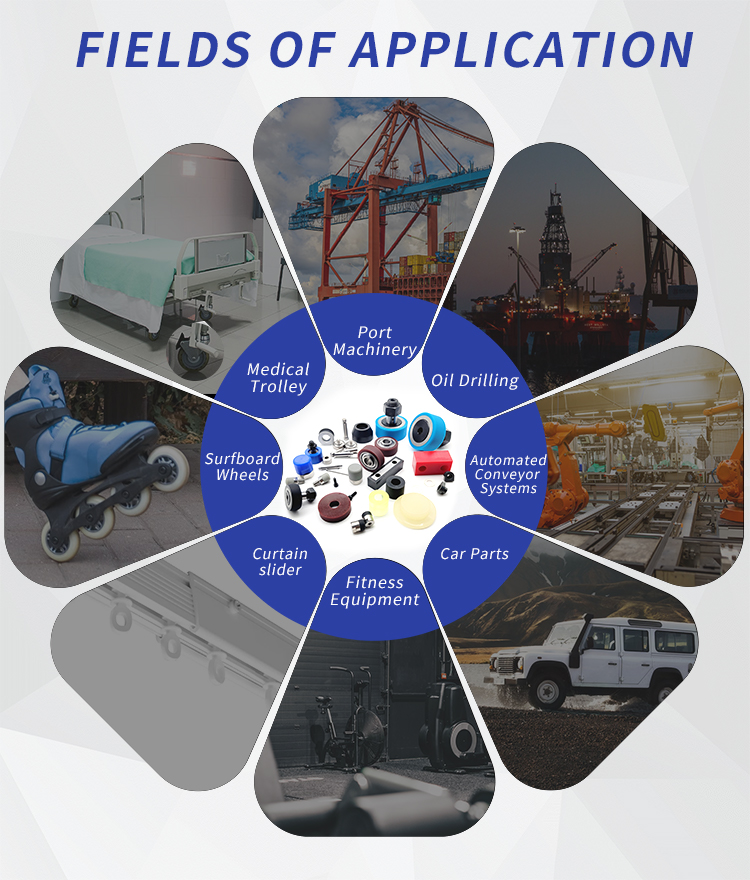
- Automotive Components: Nylon is widely used for gears, bearings, fuel system parts, and interior trim due to its toughness and resistance to wear.
- Electrical and Electronics: Insulators, connectors, and housings benefit from nylon's electricalproperties and thermal resistance.
- Textiles and Consumer Goods: Nylon fibers are used extensively in clothing and industrial fabrics, while molded nylon parts appear in zippers, fasteners, and sporting goods.
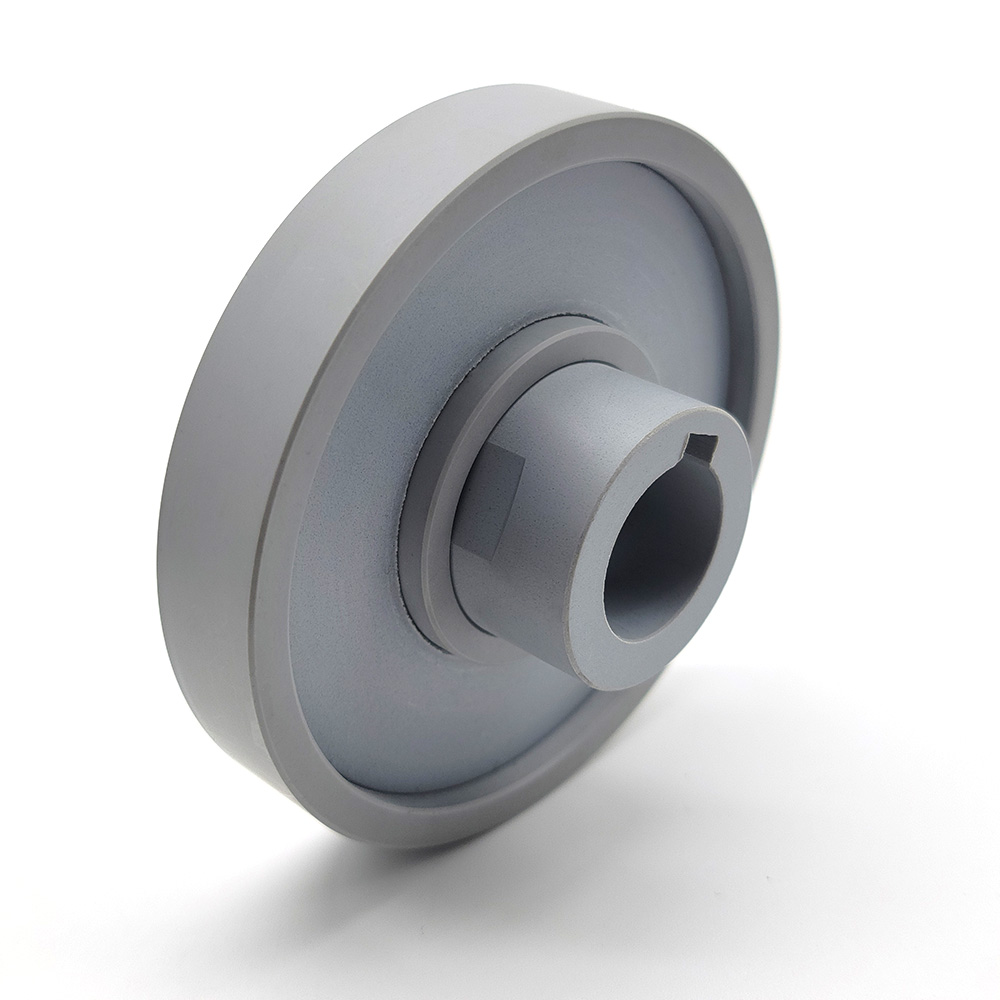
- Industrial Machinery: Gears, rollers, and conveyor components frequently utilize nylon for itscombination of strength and abrasion resistance.
More products , pls check
Polyurethane Roller&wheel
Shock Absorbing Products
Pulley Wheel
Ball Transfer Unit
Spring Plunger
Ungrouped