Polyoxymethylene (POM), often referred to as acetal or polyacetal, is a thermoplastic polymer that has gained steady importance in manufacturing due to its mechanical strength, dimensionalstability, and wear resistance. With increasing demands for lightweight, durable, and low-friction materials in various industries, POM continues to find applications in precision components where metal alternatives might be too costly or heavy.
Material Characteristics
POM is a semi-crystalline polymer consisting of repeating - ch2o - units. There are two main grades: homopolymers and copolymers. Homopolymerized POM has higher crystallinity and mechanical strength, while the copolymer variant offers better thermal stability and chemical resistance through the addition of copolymerized monomers that disrupt crystallinity to some extent.
Key physical properties include:
- High tensile strength (approx. 60-70 MPa) and flexural modulus (2.8-3.2 GPa)
- Low moisture absorption (~0.2%), which contributes to dimensional stability
- Low coefficient of friction and good wear resistance
- Thermal operating range typically between-40°C and 100°℃
Industrial Applications
POM's characteristics make it suitable for many industries:
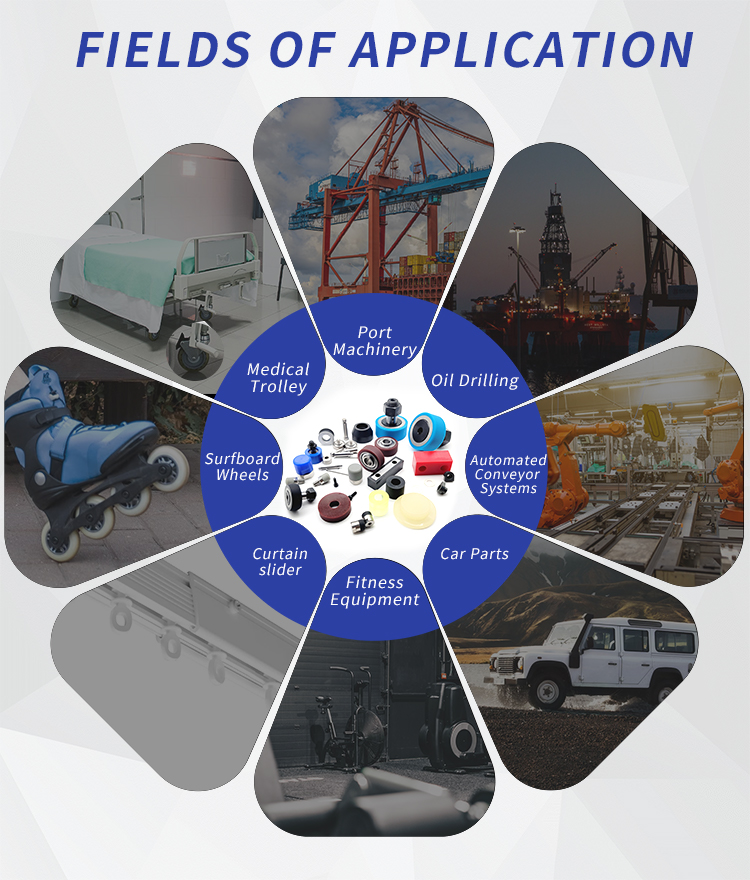
- Automotive: POM is widely used for fuel system components, door locks, and interior parts due to its strength and chemical resistance.
- Electrical and Electronics: Its electrical insulation properties and dimensional stability suit housings, connectors, and switches.
- Consumer Goods: POM parts are used in zippers, fasteners, and precision mechanical assemblies where low friction and wear resistance are critical.
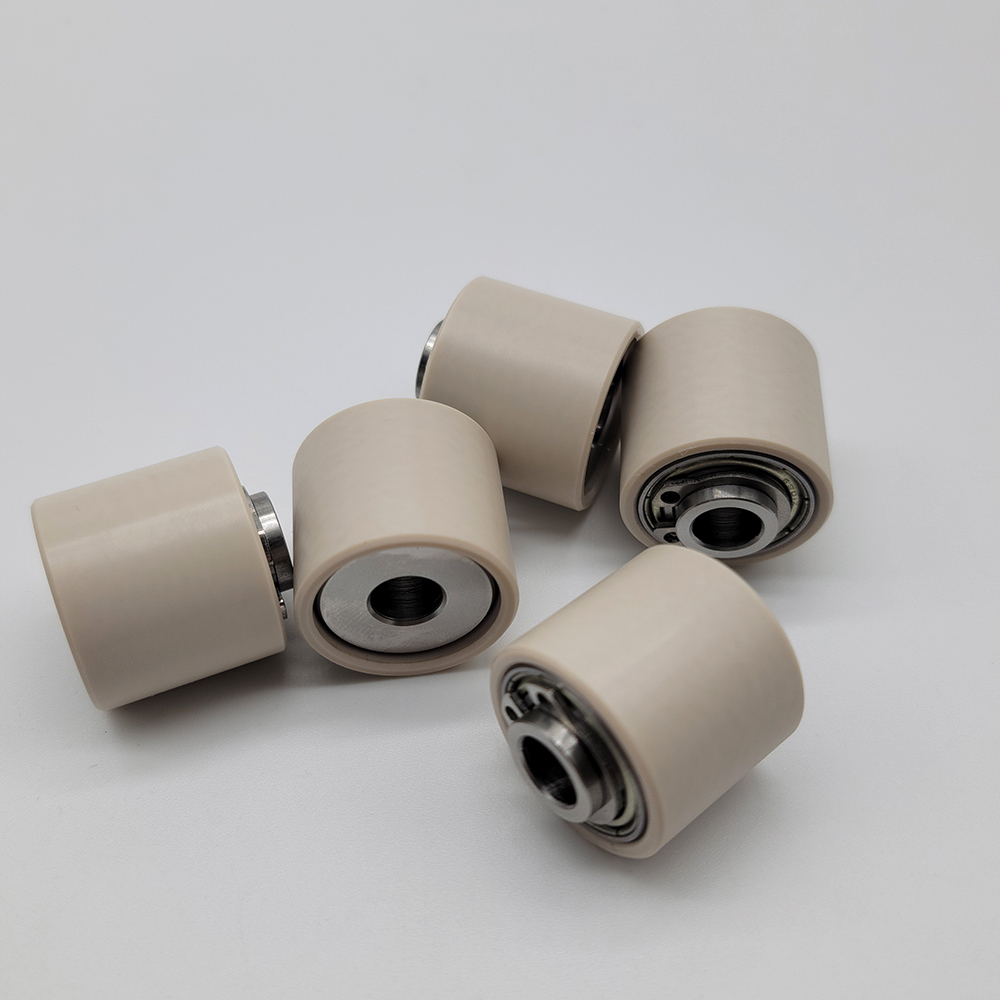
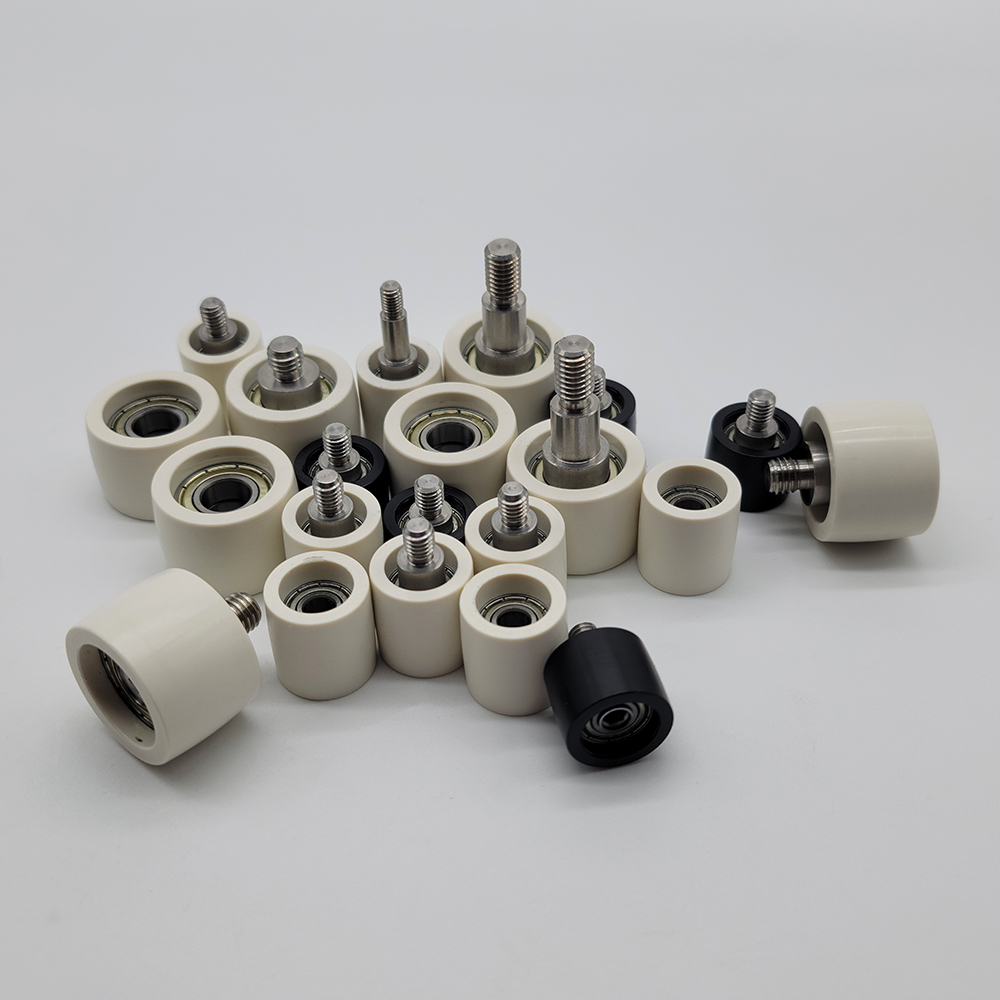
- Mechanical Components: Gears, bearings, and rollers benefit from POM's low friction and high wear resistance.
Manufacturing and Processing
Injection molding is the predominant method for shaping POM parts. Careful control of temperature is essential during processing to avoid thermal degradation and ensure consistent crystallinity. POM also machines well, allowing manufacturers to achieve tight dimensional tolerances when required.
Performance Considerations and Limitations
Despite its many benefits, POM has some limitations:
- It is sensitive to UV radiation, leading to potential degradation unless stabilized.
- Exposure to certain chemicals, especially strong oxidizers and some chlorinated hydrocarbons, can deteriorate its properties.
- Environmental stress cracking may occur under combined mechanical stress and chemical exposure.
- Thermal stability limits restrict use in applications requiring sustained exposure to temperatures above 100°C.
Current Trends and Industry Focus
The demand for materials that balance mechanical performance with sustainability has prompted advances in POM formulations, including:
- Filled grades: Incorporation of glass or carbon fibers to enhance stiffness and strength.
- Copolymer improvements: Increasing resistance to chemicals and heat.
- Bio-based alternatives: Research into more sustainable sources and recycling methods to reduce environmental impact.
- Smart materials integration: Embedding sensors to monitor wear and mechanical stress incritical applications.
Polyurethane Roller&wheel
Pulley Wheel
Shock Absorbing Products
Ball Transfer Unit
Spring Plunger
CNC Parts