Polyurethane Drive Wheels: Engineering Applications, Design Considerations, and Industrial
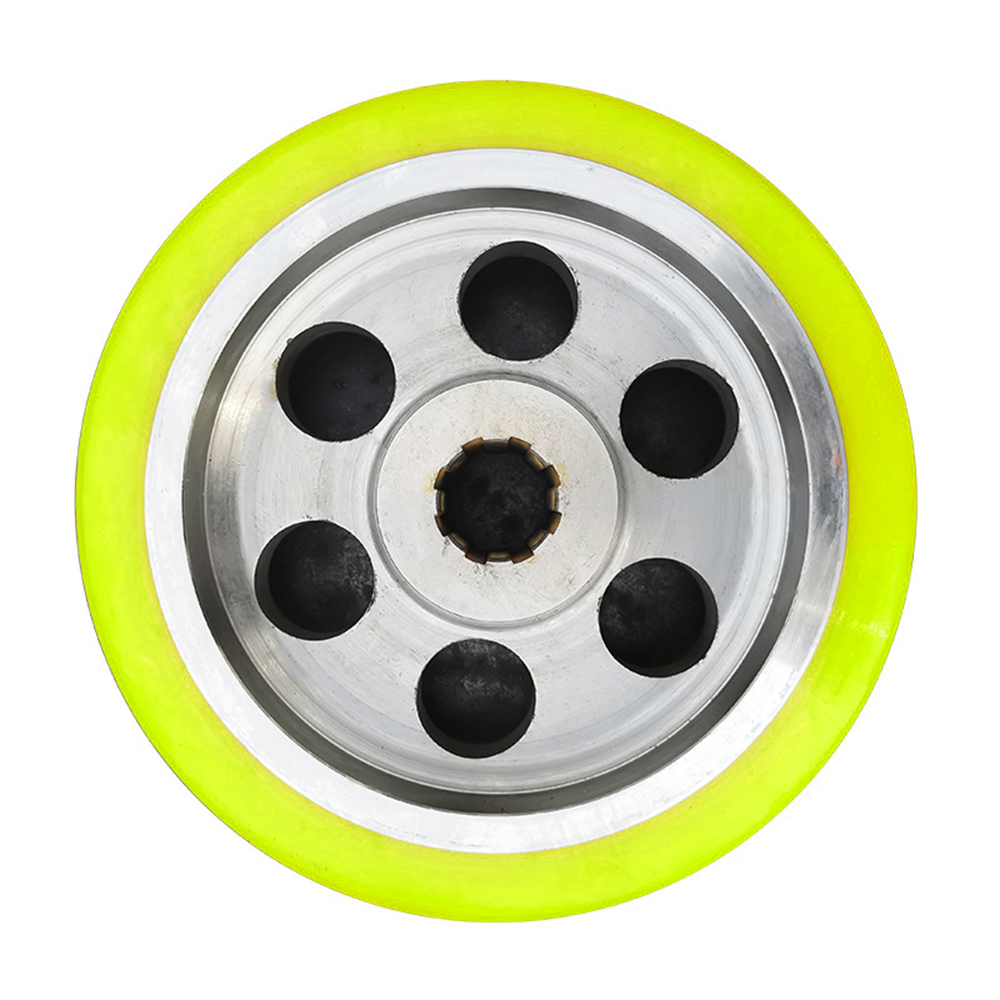
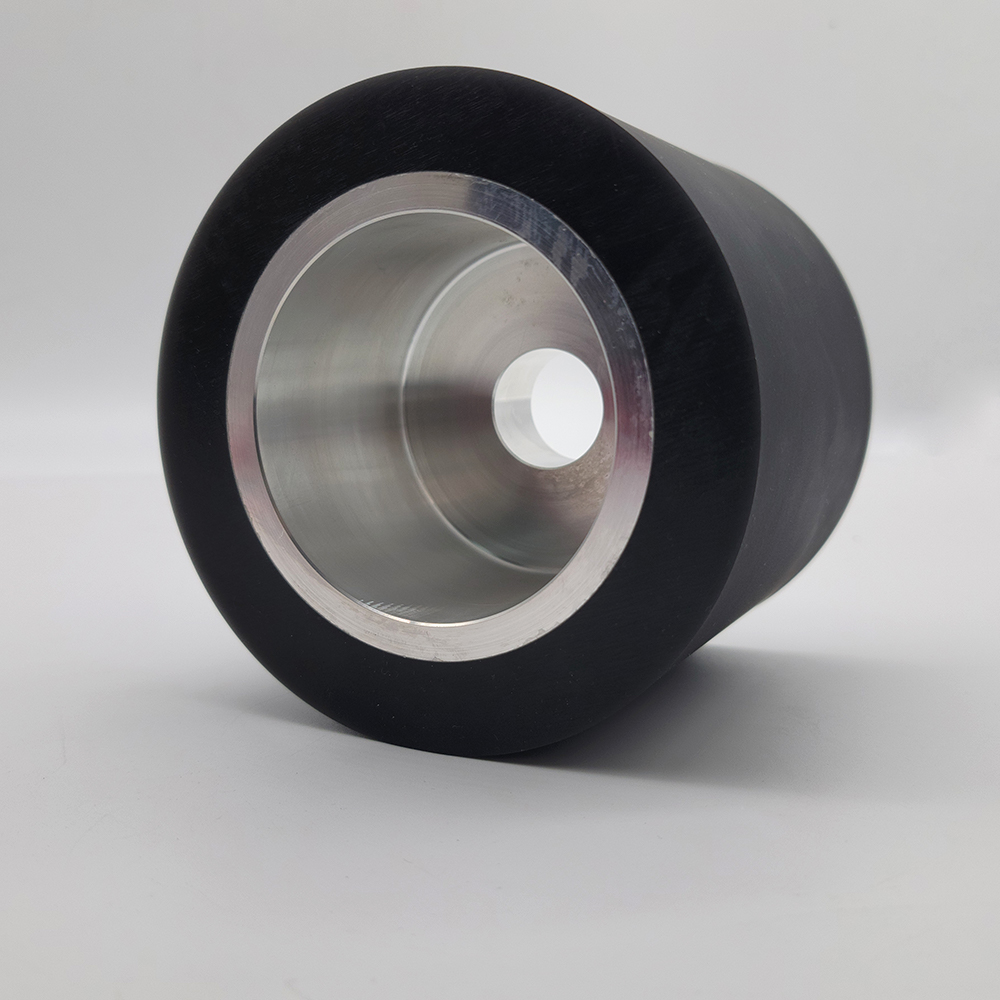
Polyurethane drive wheels have emerged as a critical component in various industrial motion systems, offering an optimal balance between mechanical resilience and operational flexibility. As automation, robotics, and conveyor technologies advance, the demand for wheels that can transmit torque reliably while maintaining surface integrity has led many OEMs and engineers to specify polyurethane as a preferred material. A drive wheel is typically a powered wheel that transfers torque from a motor to initiate or sustain motion in a mechanical system. Unlike idler or guide wheels, drive wheels are responsible forl propulsion and often operate under high dynamic loads, variable torque conditions, and constant directional changes. This makes their material properties and structural design essential factors in performance and system longevity.
Understanding Polyurethane as a Material
Polyurethane is a versatile elastomer derived from the reaction between isocyanates and polyols. Its properties can be tuned during synthesis, resulting in a wide hardness range (from Shore A 20 to Shore D 80) and enabling customization for traction, load-bearing, or cushioning requirements.
More products , pls check
Polyurethane Roller&wheel
Shock Absorbing Products
Pulley Wheel