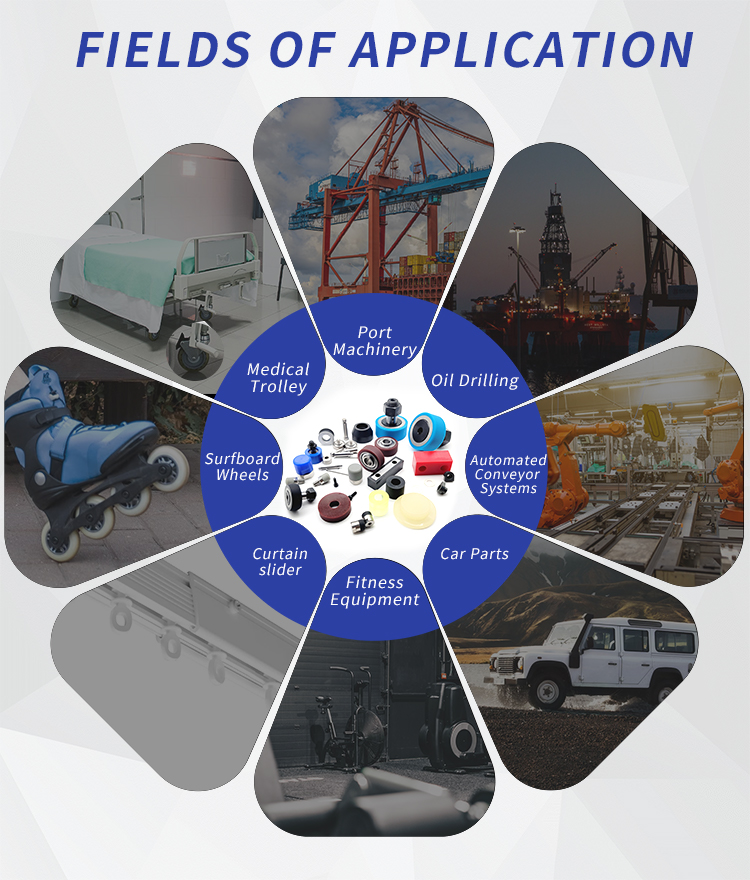
Unlike traditional rubber or rigid plastics, polyurethane offers a structural integrity that can handle high loads while maintaining dimensional stability. This is particularly important in dynamic applications where parts are subjected to repeated compression, friction, and impact—such as rollers, bushings, pads, and support wheels.
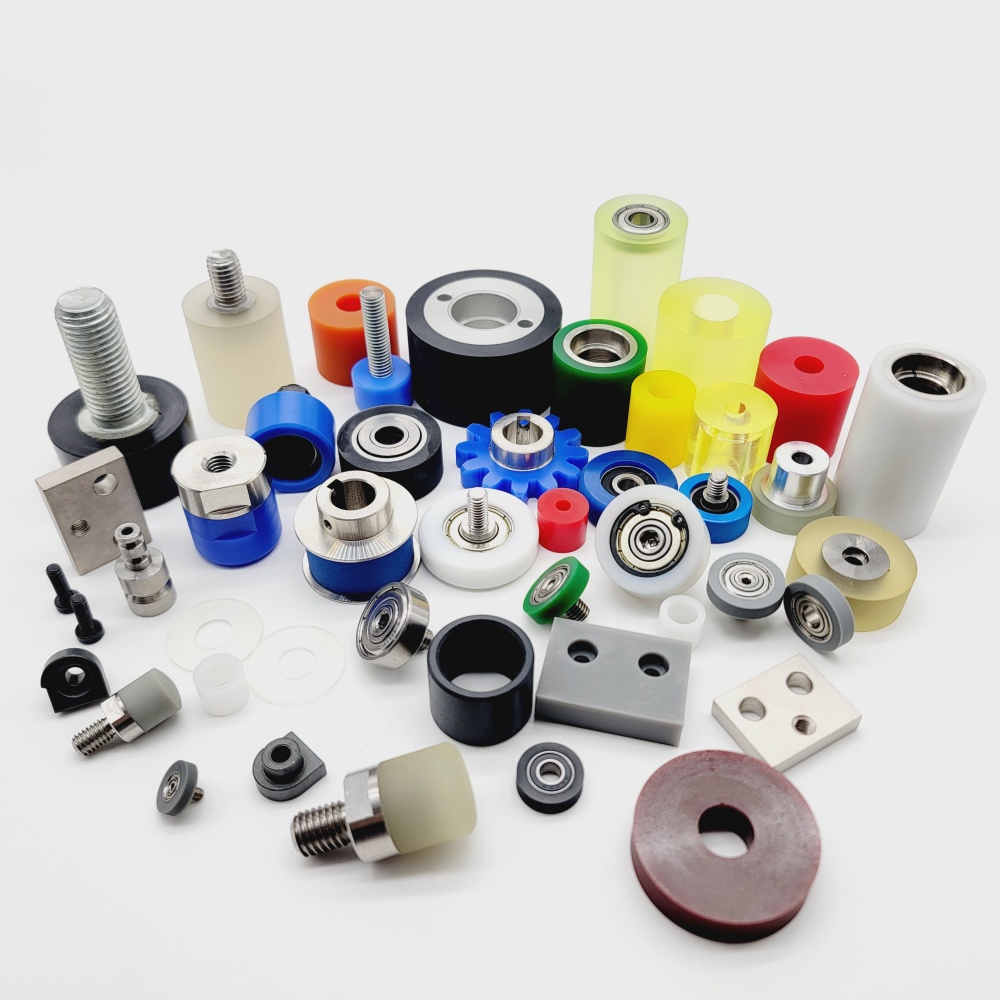
One of the core reasons for polyurethane’s performance in load-bearing scenarios is its high load-bearing capacity relative to its weight and size. Components made from polyurethane can carry substantial force without permanent deformation, allowing for compact yet efficient part designs. In many cases, polyurethane parts can outperform rubber in static and dynamic load-bearing conditions, especially when long-term wear resistance is a factor.
Additionally, polyurethane’s resistance to abrasion and tear means it performs reliably in harsh industrial environments. Whether exposed to oil, moisture, or particulate debris, PU maintains its surface integrity longer than many competing materials, reducing the frequency of part replacements and machine downtimes.
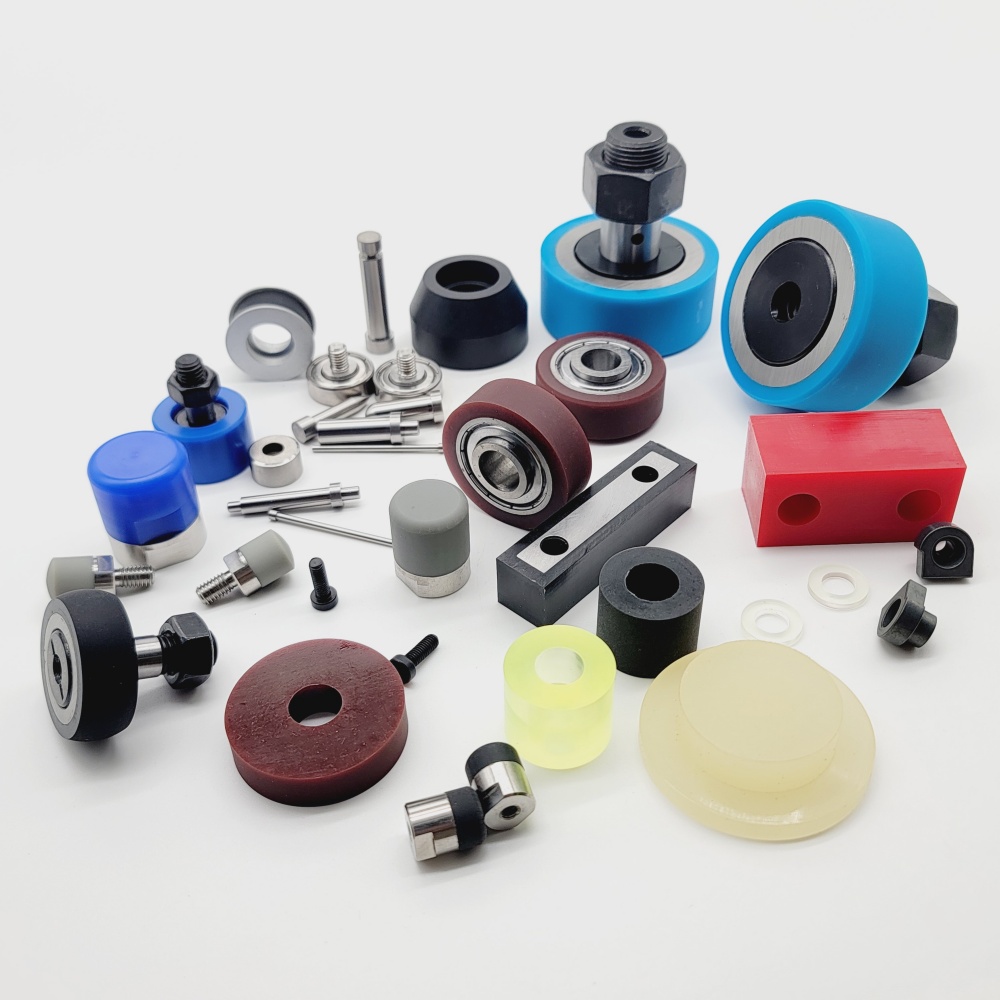
Another benefit lies in the customizability of hardness (durometer). Polyurethane can be formulated across a broad hardness range, from soft and elastic to hard and rigid. This allows engineers to match the material’s performance to the specific stress and movement characteristics of the application—something that is not always feasible with standard rubber or thermoplastics.
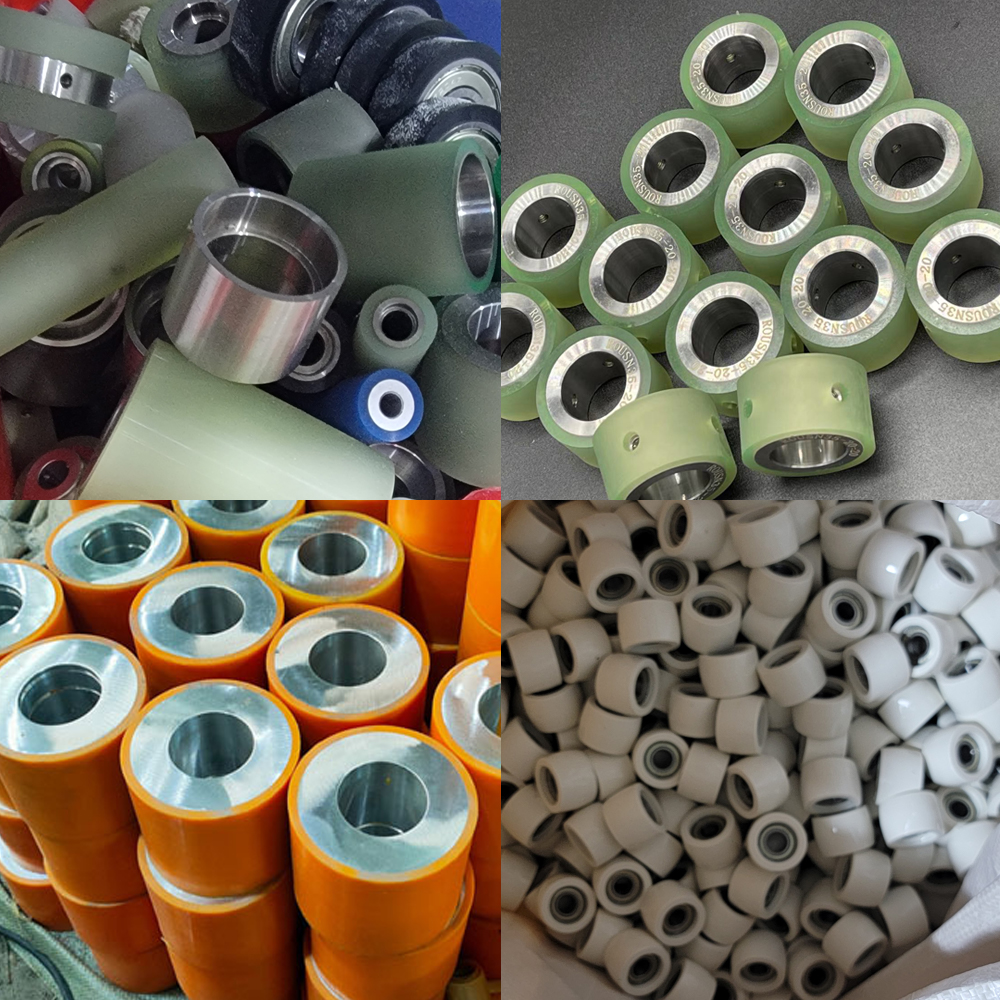
From a design standpoint, polyurethane also bonds well with metals and other substrates, which makes it ideal for producing metal-cored wheels or hybrid components. The adhesion between PU and core materials ensures that the load is evenly distributed and prevents slippage or delamination under pressure.
In practical use, load-bearing components made of polyurethane are common in logistics systems, material handling equipment, machine tooling, and automated transport platforms. In these settings, the material's combination of stiffness, elasticity, and toughness contributes directly to smooth operation, reduced vibration, and extended service intervals.
In summary, polyurethane is not merely chosen for its durability—it's selected because it offers engineers the ability to precisely tailor load-bearing performance to real-world demands. Its adaptability, longevity, and reliability have made it a standard choice in industries where consistent mechanical behavior under stress is essential.
Polyurethane is not new, but its role in modern industry continues to grow. Not because it's fashionable, but because it works. It absorbs loads, resists wear, and stays dependable where other materials fall short.By understanding its properties, behaviors, and best-use cases, engineers and designers can make better decisions—selecting materials that reduce downtime, improve safety, and extend machine life.
Our Produats
Polyurethane Roller&wheel
Shock Absorbing Products
Pulley Wheel