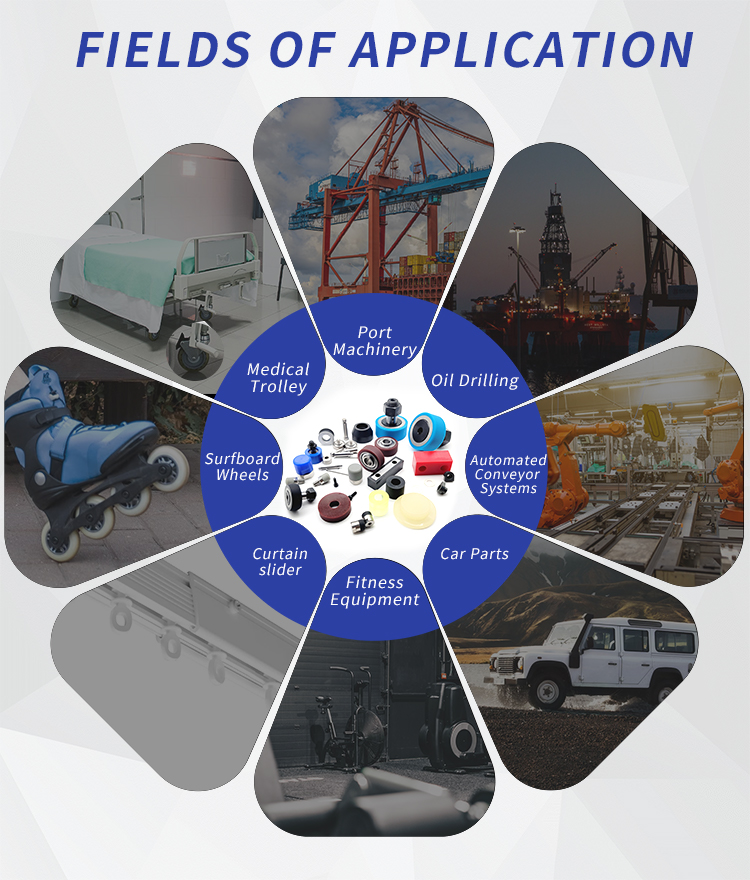
The rapid evolution of warehouse automation has brought Automated Guided Vehicles (AGVs) to the forefront of the logistics sector. These self-operating machines are now a common sight in fulfillment centers, e-commerce warehouses, and production lines. At the heart of their reliable motion lies a seemingly simple yet critical component: the rubber-coated wheel.
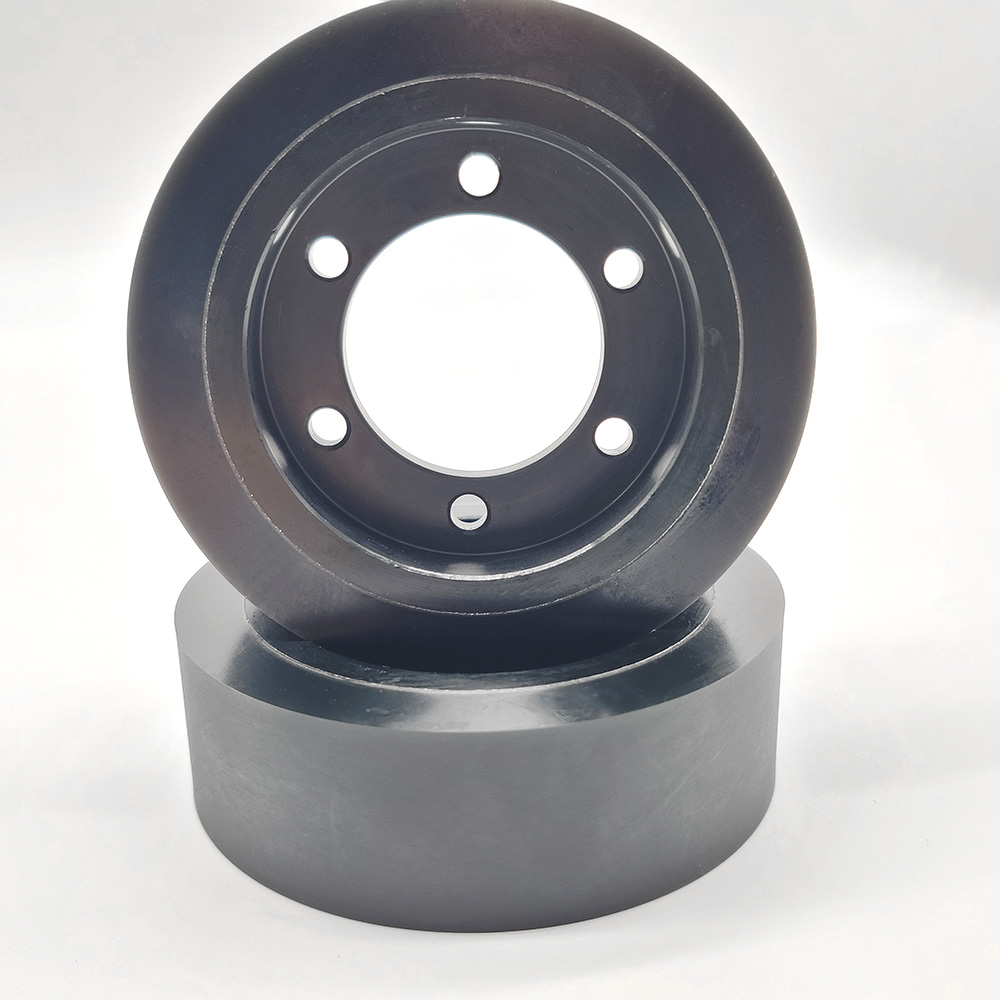
The Demands of Modern Logistics on AGVs
AGVs in logistics facilities must navigate a range of floor surfaces, carry variable loads, operate continuously, and remain precise in their positioning. Key requirements include:
- Low noise operation
- Floor protection
- Stable, slip-free movement
- Resistance to wear and deformation over time
Given these operational needs, the type of wheel material directly affects the AGV's efficiency and longevity. And rubber-coated wheels—particularly those with polyurethane treads-address these demands more effectively than solid plastic or metal alternatives.
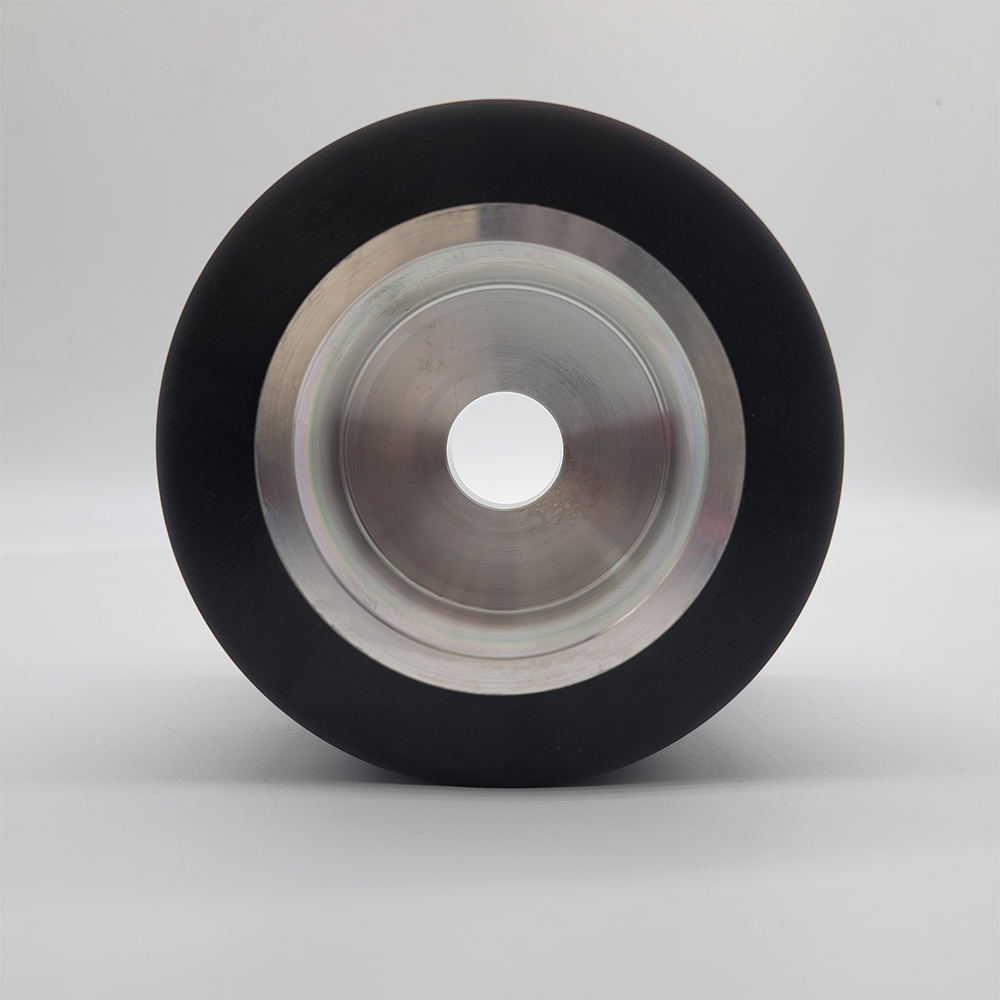
The Engineering Logic Behind Rubber-Coated Wheels
Rubber-coated wheels typically consist of a metal or plastic core with a bonded layer of rubber or polyurethane as the outer tread. This layered construction delivers an optimal balance between load-bearing strength and surface resilience.
Key Benefits:
- Shock absorption: Smoothens movement over uneven flooring or minor obstacles.
- Reduced noise: Rubber dampens mechanical vibration and rolling noise, important for 24/7 facilities.
- Non-marking: High-grade PU coatings don't leave streaks or abrasions on epoxy or polished concrete floors.
- Traction control: Prevents slippage during acceleration, deceleration, or direction changes.
Durability Under Load and Continuous Use
AGVs may operate non-stop, carrying loads ranging from a few kilograms to over a ton. Rubber coated wheels are engineered to retain shape under pressure, a property known as low compression set. Compared to hard plastic wheels, PU-coated wheels deform less under weight and recover faster, which contributes to:
- Reduced rolling resistance
- Lower energy consumption
- Extended motor life
- Longer wheel lifespan
This is especially important in battery-powered vehicles, where every reduction in energy usage translates to longer runtime between charges.
Customization for Performance Optimization
Rubber-coated AGV wheels can be tailored for specific logistics scenarios, including:
- Hardness rating (Shore A): Softer wheels for quiet indoor use, harder wheels for heavier loads or longer runs.
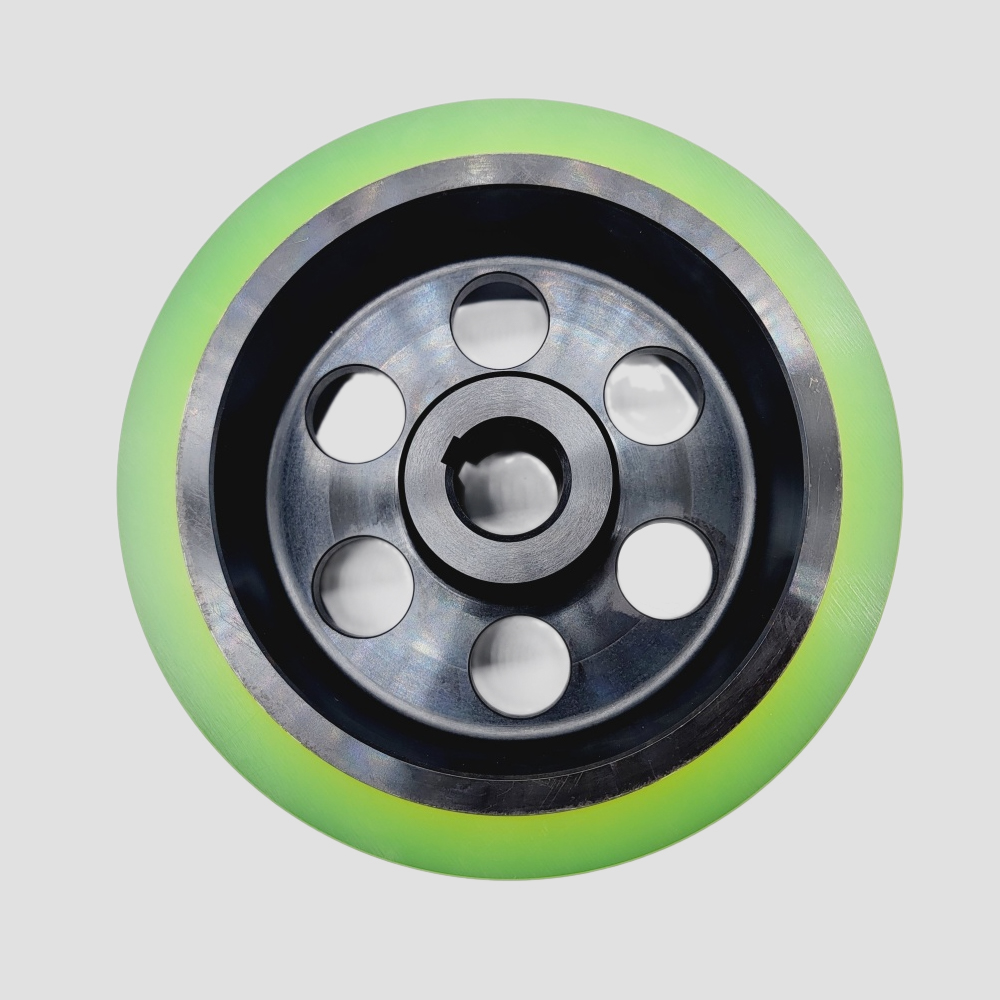
- Core material: Aluminum for lightweight applications, steel for maximum strength.
- Profile design: Flat tread for even surfaces; crowned or V-profile for self-centering or track quidance.
- Antistatic and ESD properties: For electronics and sensitive goods warehouses
- Temperature resistance: For use in cold storage or heated zones.
Rubber-coated wheels are not a luxury choice-they are a practical, tested, and necessary solution for AGVs in the logistics industry. As warehouses become denser, faster, and more automationdriven, the humble coated wheel ensures smooth movement, reduces system strain, and keeps downtime to a minimum.
Polyurethane Roller&wheel
Shock Absorbing Products
Pulley Wheel
Rack And Pinion
Spring Plunger
CNC Parts