Understanding the Operating Principle of Cam Followers
In the complex ecosystem of mechanical automation, cam followers—also referred to as track rollers or cam roller bearings—play a quiet yet indispensable role. Often overlooked, these components are crucial for ensuring smooth, accurate, and repeatable motion in automated systems, from packaging machines and conveyor systems to robotic arms and CNC machinery. While their structure may seem simple, the working principle of a cam follower combines bearing mechanics, load distribution, and motion conversion into one compact and durable component. Understanding how a cam follower works provides engineers and operators with valuable insight into performance selection, maintenance, and system optimization.
What Is a Cam Follower?
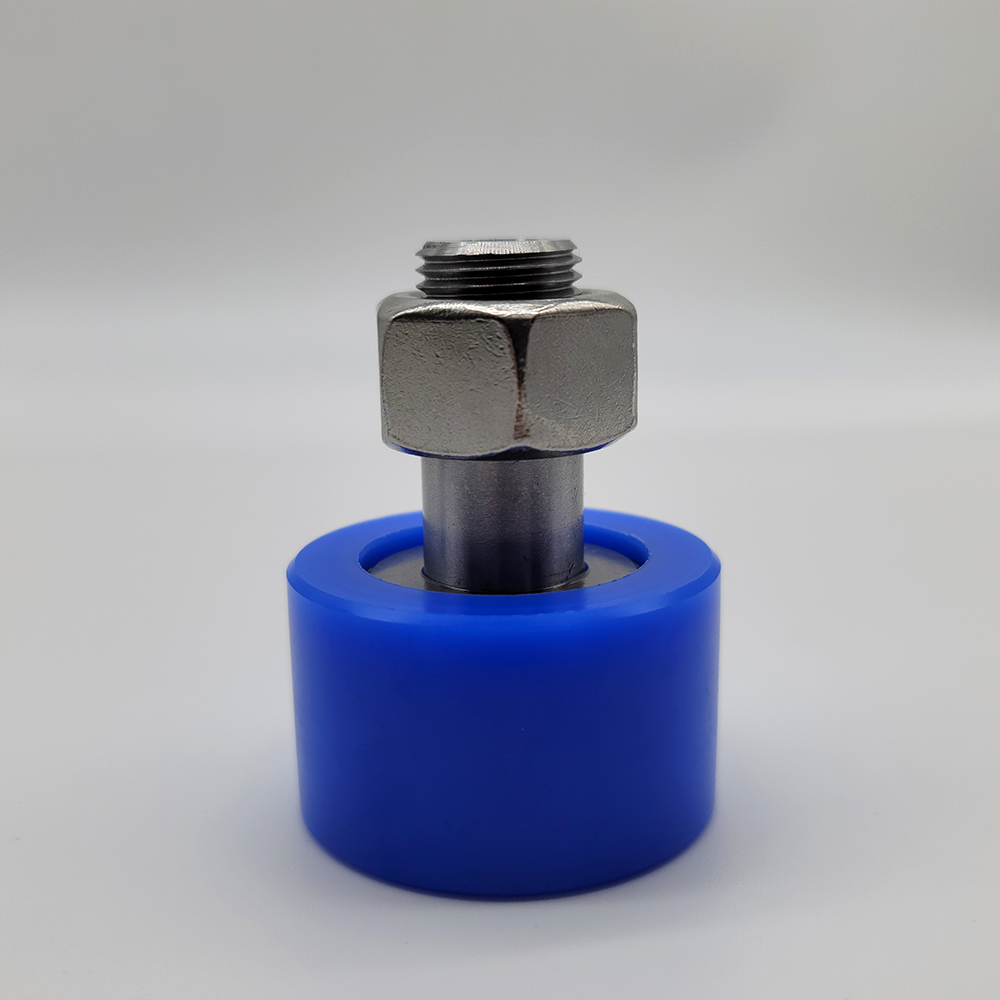
A cam follower is essentially a specialized rolling-element bearing designed to follow the surface of a cam or linear guide. Unlike standard bearings, it usually features:
- A thick-walled outer ring (often cylindrical or crowned)
- An internal stud or shaft (or a yoke in yoke-type designs)
- Needle rollers or ball bearings inside
- Optional seals or shields to retain lubrication
The design allows it to sustain higher radial loads and operate under intermittent, oscillating, or impact-driven motion.
The Core Operating Principle
At its essence, the cam follower transforms linear or rotary input into controlled follower motion. This principle can be broken down into several key mechanical interactions:
Rolling Contact on a Guide or Cam Profile
The outer ring of the cam follower runs in contact with a cam profile or guide track. As the cam rotates (or slides, in linear systems), the follower rolls along the surface, maintaining tight contact. This rolling movement:
- Converts rotational input from the cam into reciprocating or tracking motion of the follower
- Maintains low friction and high repeatability due to rolling instead of sliding
- Maintains low friction and high repeatability due to rolling instead of sliding
Load Distribution Through Internal Rollers
Inside the cam follower, needle or ball rollers are arranged between the outer ring and inner shaft or stud. These internal elements:
- Distribute radial load evenly
- Allow smooth rotation even under high load
- Prevent metal-to-metal wear between the outer ring and the internal structure
Depending on the model, some cam followers incorporate full complement needle rollers for higher load capacity at the cost of lower speed capability.
Rotation or Oscillation of the Outer Ring
In many applications, the cam follower doesn't rotate continuously. Instead, it may:
- In many applications, the cam follower doesn't rotate continuously. Instead, it may:
- Roll intermittently during certain machine cycles
- Remain static with the cam rotating underneath
The cam follower's design accounts for this by using thicker outer rings and proper lubrication retention, reducing localized wear during repeated back-and-forth movement.
Variations in Operating Mechanisms
Different cam follower configurations influence the way the principle is applied:
- Stud-Type Cam Followers
These have an integrated threaded stud that can be mounted directly into the machine frame. The outer ring rolls on the cam or track. Ideal for compact spaces and simple mounting.
- Yoke-Type Cam Followers
These use a through-hole design mounted on a shaft or bolt. They are better suited for higher radial loads because of a larger load-bearing area.
- Eccentric Cam Followers
Equipped with an eccentric collar, these allow fine adjustment of follower position, useful when tolerances are tight or the cam profile requires adjustable engagement.
-Crowned Outer Rings
The outer ring may have a slightly convex (crowned) surface. This helps in:
- Reducing edge loading
- Tolerating slight misalignment
- Extending service life under uneven contact
Cam followers may seem like simple mechanical parts, but their working principle is at the heart of precision automation systems. By enabling the conversion of complex cam profiles into precise linear or oscillating movements, they allow engineers to design high-speed, synchronized systems with confidence.
Understanding how cam followers function helps engineers choose the right configuration, material, and mounting method—ensuring long-term reliability, reduced maintenance, and optimal system performance.
Polyurethane Roller&wheel
Shock Absorbing Products
Pulley Wheel
Rack And Pinion
Spring Plunger
CNC Parts
Ungrouped