The Unsung Role of Idler Wheels in Power Transmission Systems
In many mechanical systems, components like motors, gears, and drive pulleys typically receive the spotlight. However, there's another key part operating quietly in the background—the idler wheel, also known as an idler pulley. Although it does not deliver power itself, the idler plays a vital role in tension regulation, direction control, and system stability within belt and chain-driven mechanisms.
What Is an Idler Wheel?
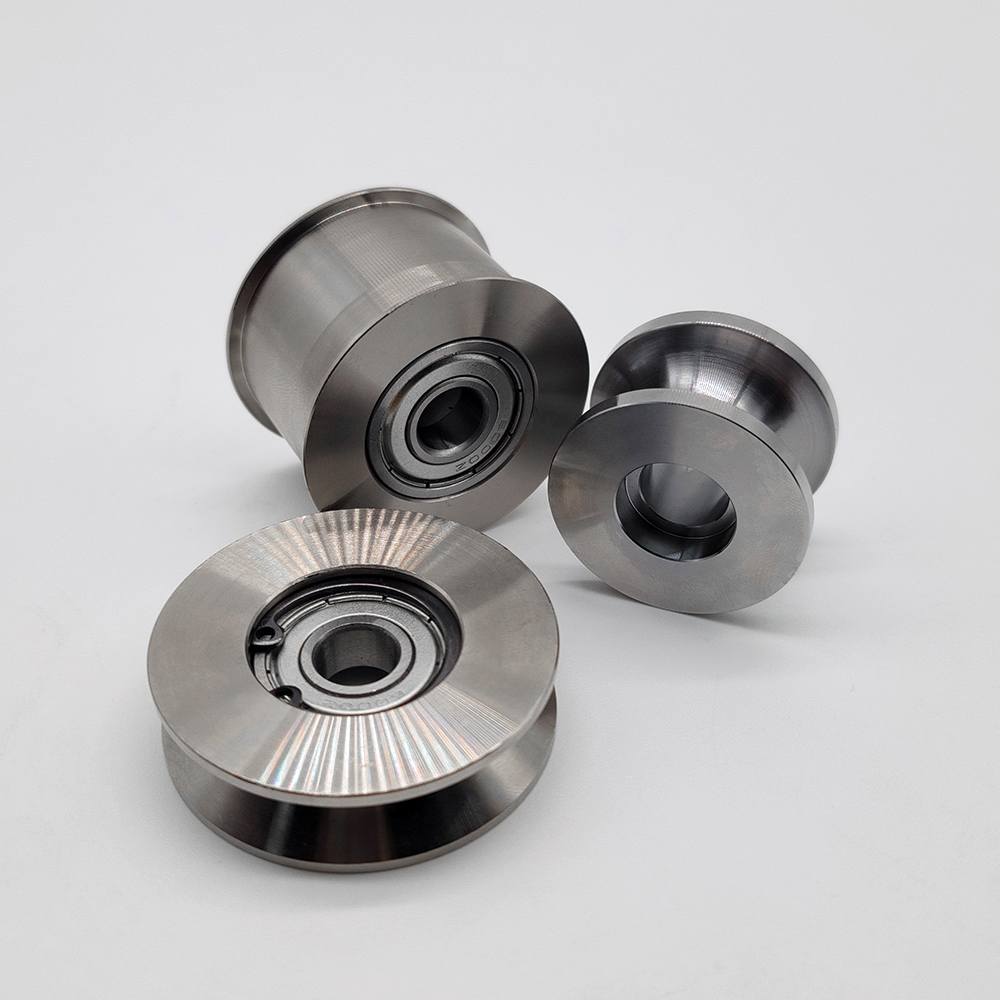
An idler wheel is a non-powered pulley or roller used in mechanical systems to guide, support, or redirect belts or chains without transferring torque. Unlike drive pulleys or sprockets connected to motors or gearboxes, idlers do not drive the system but enhance its performance and longevity.
There are two main types:
- Flat or smooth idler wheels - used to support or guide belts without introducing directional changes
- Grooved or flanged idlers-often used with V-belts, timing belts, or chain drives to maintain tracking and alignment
Key Functions of Idler Wheels
1.Tension Maintenance
In belt or chain systems, proper tension is critical for efficient power transfer. Idler wheels help to:
- Compensate for slack due to thermal expansion or belt stretching
- Allow for automatic or manual adjustment in dynamic systems
- Prevent belt slippage that could cause loss of motion accuracy or overheating
2. Belt or Chain Guidance
Idlers can re-route belts and chains, especially in compact machinery layouts. By changing the path without changing the drive ratio, they allow engineers to design:
- Space-efficient systems with tighter packaging
- Avoidance of obstacles within the machine frame
- Improved wrap angle over driven pulleys, enhancing torque transfer
3.Vibration and Wear Reduction
Proper placement of idler wheels can reduce the mechanical load on the drive system. Their support prevents sagging, flapping, and vibration, which in turn:
- Extends the life of belts, chains, and bearings
- Reduces noise and mechanical shock
- Ensures smoother system operation
Where Are Idler Wheels Used?
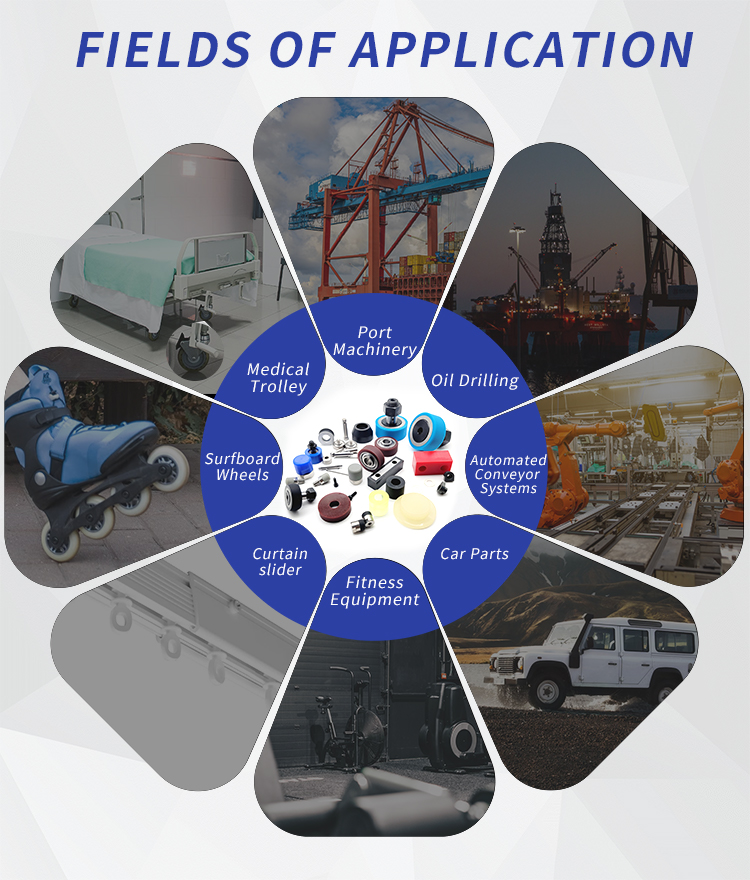
Idler wheels are widely used across industries due to their simple yet indispensable function. Common applications include:
| Industry | Use Case |
| Automotive | Serpentine belt routing, timing belt tensioning |
| Conveyors | Supporting return runs of belt systems |
| Agriculture | Chain drives in combines and harvesters |
| Industrial Equipment | Machine tools, textile machines, packaging lines |
| Fitness Equipment | Guide pulleys in treadmills and elliptical trainers |
While often overlooked, idler wheels are critical to the reliability and performance of any beltor chain-driven system. Their role in maintaining proper tension, guiding motion, and reducing wear helps machinery run smoothly, efficiently, and quietly.
Engineers and maintenance planners who understand the importance of idler components can design more robust systems, extend equipment life, and reduce total ownership costs. In short, the idler wheel may not drive the system—but without it, the system may not run at all.
Polyurethane Roller&wheel
Shock Absorbing Products
Pulley Wheel
Rack And Pinion
Ball Transfer Unit
Spring Plunger
CNC Parts