Stainless steel has long been recognized as a cornerstone material in modern manufacturing. Its unique combination of mechanical strength, corrosion resistance, and cleanability makes it indispensable across a vast range of industries—from medical instruments to heavy-duty equipment and high-precision parts.
As manufacturing evolves under pressures from efficiency, environmental standards, and global competition, stainless steel remains a preferred choice for engineers and product developers seeking long-lasting, reliable, and hygienic solutions.
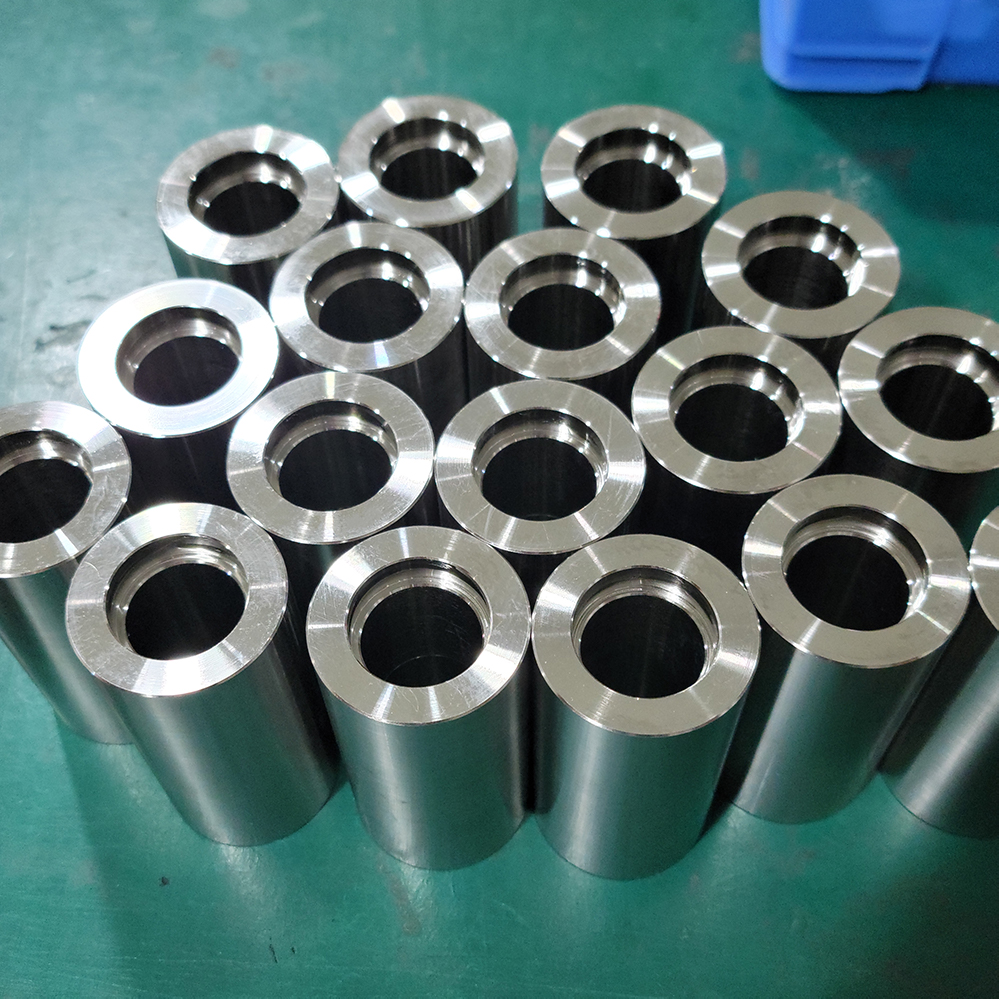
What Is Stainless Steel?
Stainless steel is an iron-based alloy containing at least 10.5% chromium, which gives it its notable corrosion resistance. It may also include elements such as nickel, molybdenum, manganese, and nitrogen, depending on the desired properties.
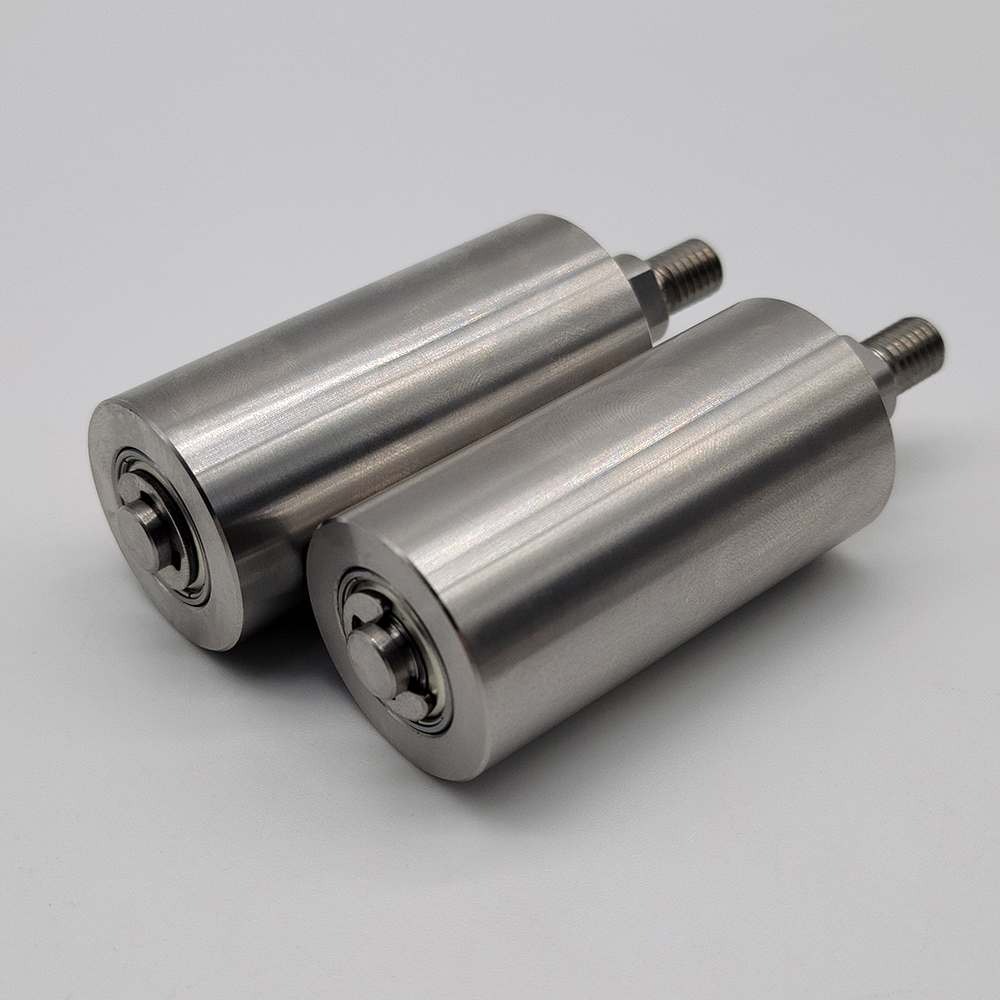
Key Characteristics:
- Corrosion Resistance: The chromium content forms a passive layer that protects the steel from rust.
- Mechanical Strength: Varies by grade; can be hardened or cold-worked.
- Heat Resistance: Maintains integrity at high temperatures in various industrial settings.
- Aesthetic and Hygienic Finish: Smooth, easy-to-clean surfaces, ideal for food and pharmaceutical environments.
Why Stainless Steel Is Integral to Manufacturing
- Corrosion Resistance in Demanding Environments
From chemical plants to coastal installations, stainless steel withstands exposure to water, chemicals, acids, and salts. This durability minimizes maintenance and replacement cycles.
- Strength-to-Weight Ratio
While heavier than aluminum, certain stainless steel grades provide high tensile strength, allowing thinner walls or sections without compromising performance.
- Compatibility with Hygienic Standards
Industries like food, beverages, and pharmaceuticals depend on stainless steel for its non-reactive, non-toxic, and easily sterilizable surfaces.
- Versatility in Fabrication
Stainless steel can be:
- Laser-cut
- CNC machined
- Deep drawn
- TIG/MIG welded
- Polished to mirror or brushed finishes
This allows its integration into both precision components and large structural assemblies.
Long-Term Value
While initial material costs are higher than carbon steel or plastics, life-cycle cost savings due to longevity, reduced downtime, and minimal maintenance make stainless steel economically viable over time.
Stainless steel remains indispensable to modern manufacturing due to its durability, hygiene, and mechanical integrity. From simple machine frames to complex fluid systems and surgical devices, it ensures long-term performance under varied industrial demands.
Polyurethane Roller&wheel
Shock Absorbing Products
Pulley Wheel
Spring Plunger
Ball Transfer Unit
CNC Parts