Pulley wheels are foundational components in power transmission and linear motion systems across manufacturing, automation, and material handling industries. From belt-driven motors to conveyor systems, the selection of pulley material can significantly impact mechanical efficiency, longevity, and overall system performance.
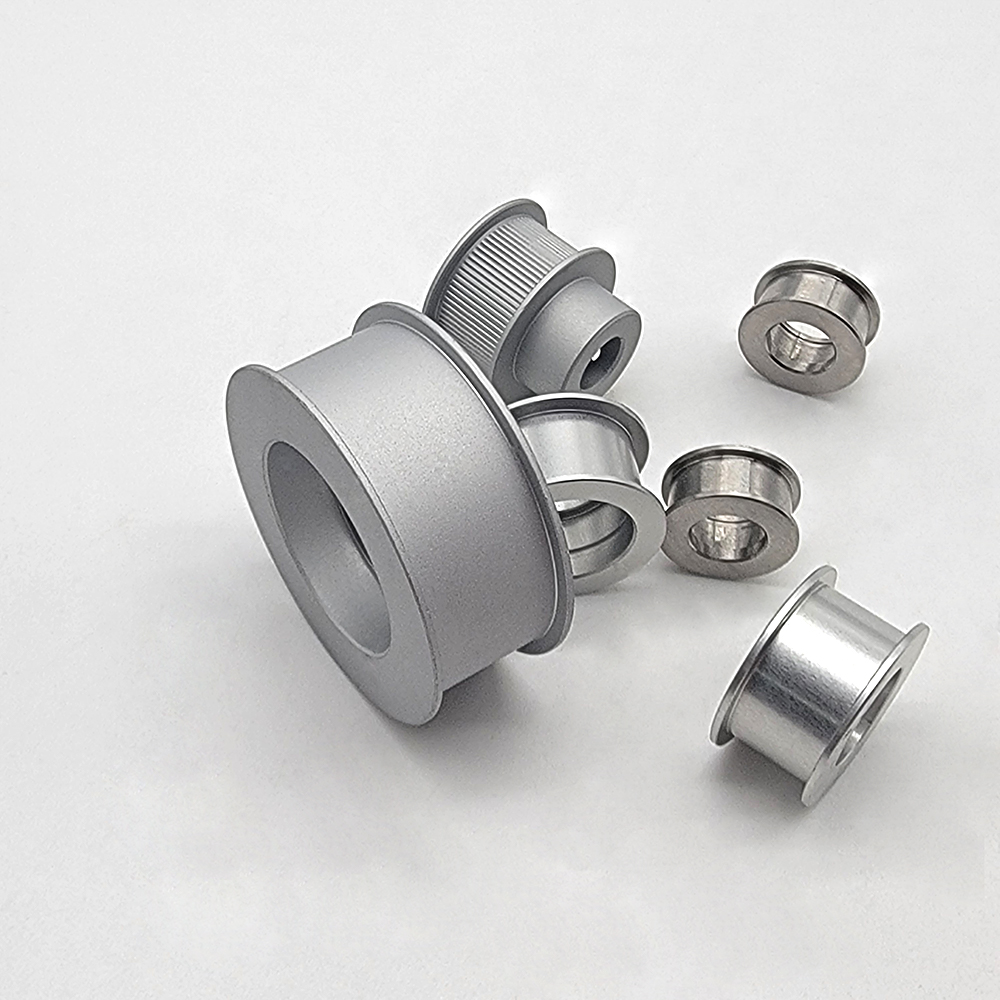
Among the many materials used for pulley wheels—steel, cast iron, plastic composites—aluminum alloy has carved out a specific niche due to its lightweight, machinability, and corrosion resistance.
The Engineering Demands on Pulley Wheels
Pulley wheels are not passive parts; they face dynamic loads, rotational stress, and often harsh operating environments. The key engineering requirements include:
- Dimensional Stability for precise belt alignment
- Sufficient Hardness to resist groove deformation
- Low Rotational Inertia to support fast startup or directional changes
- Surface Finish to minimize belt wear
- Corrosion Resistance for long-term outdoor or humid use
Common Industrial Applications
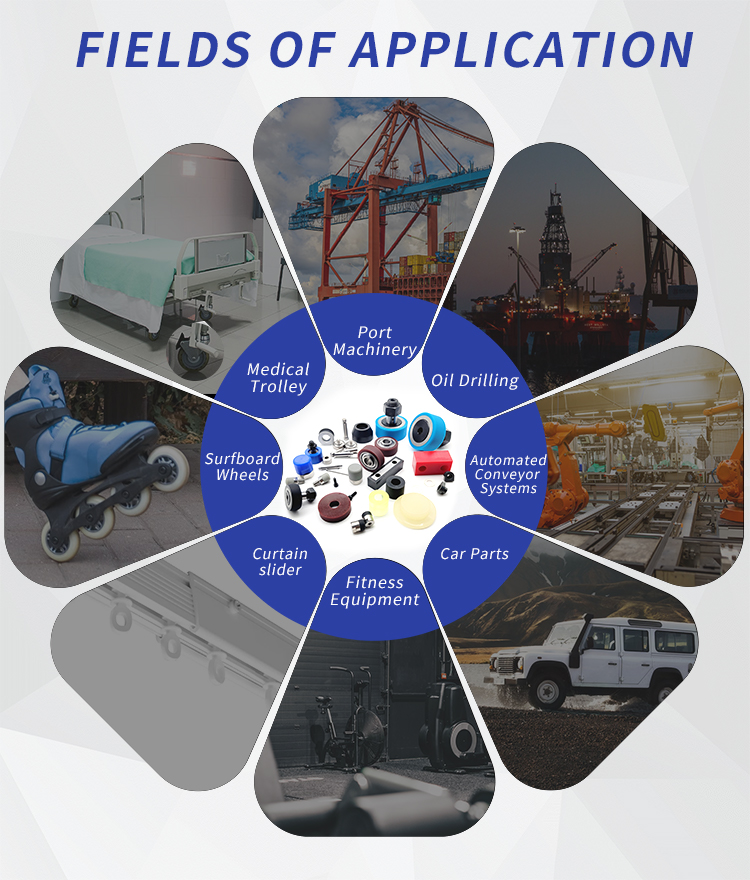
Aluminum alloy pulley wheels are widely adopted in:
- Automated Conveyor Systems: Used in logistics centers and packaging lines for high-speed belt motion with low mass.
- CNC Machinery and Robotics: Lightweight pulleys reduce load on motors and support precise, responsive motion.
- Electric Motor Assemblies: Aluminum wheels with precision grooves support poly-V or timing belts in variable speed drives.
- Agricultural Equipment: Anodized aluminum pulleys resist corrosion from moisture, dust, and organic residue.
- Textile Machinery: Low inertia helps maintain consistent thread tension without excessive motor strain.
In many cases, aluminum pulleys are paired with timing belts or toothed belts where synchronous drive is essential.
Surface Treatment and Customization
While primary aluminum is resistant to corrosion, the surface tends to wear over time. To extend service life and maintain performance, aluminum pulley hubs are typically treated as follows:
- Anodizing: Creates a hard oxide layer, increasing surface hardness and corrosion resistance.
- Hard-Coat Anodizing: Used in heavy-load or abrasive conditions; offers more protection than standard anodizing.
- PTFE or Ceramic Coating: For high-friction or low-lubrication environments.
Pulley wheels can also be custom machined with variable groove profiles (V-groove, multi-groove,flat, or round), bore sizes, or integrated keyways and set screws depending on shaft specifications.
Aluminum alloy pulley wheels represent a practical and increasingly relevant choice in modern industrial design. Their lightweight, corrosion-resistant properties make them especially valuable in high-speed, moderate-load applications where energy efficiency and system responsiveness are key.While not a universal substitute for steel or engineered plastics, aluminum offers a strategic material advantage in applications where precision, low inertia, and environmental resilience are essential. As equipment becomes lighter, faster, and more modular, the demand for high-performance aluminum pulley components is expected to continue growing across diverse industrial sectors.
Polyurethane Roller&wheel
Shock Absorbing Products
Pulley Wheel
Ball Transfer Unit
Spring Plunger
CNC Parts
Ungrouped