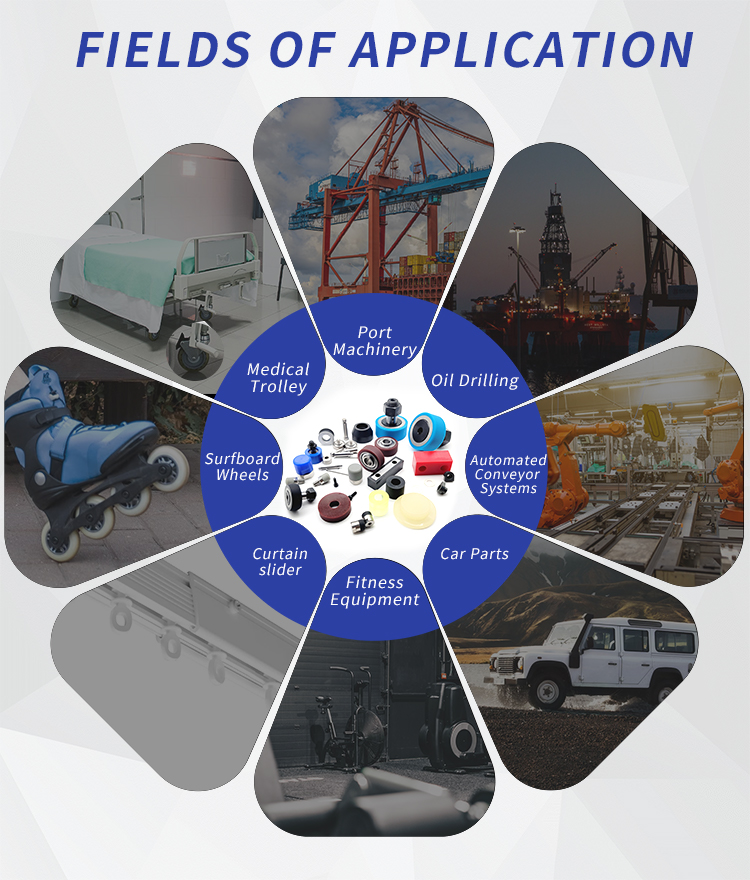
In modern material handling and equipment design, mobility is no longer a luxury-it's a necessity. From warehouse logistics to hospital beds, the ability to move heavy or delicate loads with precision and ease defines operational efficiency. At the heart of this mobility lies a deceptively simple but crucial component: the caster.
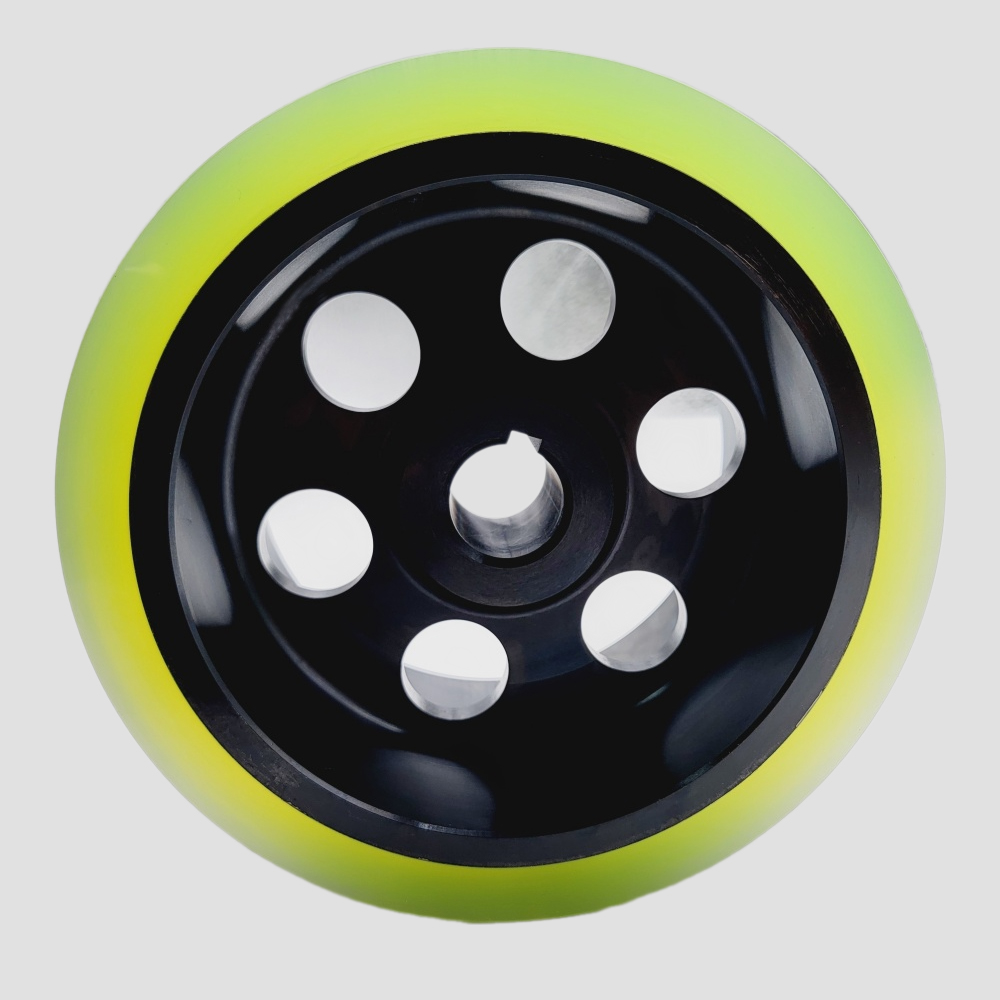
What Are Casters?
Casters are wheel-and-mounting assemblies affixed to the bottom of equipment, allowing it to roll or pivot across floors. Unlike simple wheels, casters incorporate a mounting mechanism (rigid or swivel), a wheel core, bearings, and sometimes suspension or locking systems. Their primary role is to facilitate smooth, directional or multidirectional movement, while withstanding static and dynamic loads.
Types of Casters and Their Applications
Casters are classified by their mounting mechanism and intended use. The two primary categories are:
1.Rigid Casters
- Fixed in direction; move only forward and backward.
- Typically used for straight-line transport of heavy equipment (e.g., industrial carts, mobile machinery).
2.Swivel Casters
- Feature a rotating mounting plate, allowing 360° movement.
- Ideal for applications requiring tight turns or omnidirectional movement, such as medical equipment, display units, or warehouse carts.
Within these two groups, specialized variants include:
- Locking Casters (with brakes)
- Spring-loaded Casters (for shock absorption)
- Twin-wheel Casters (for enhanced load distribution)
- Heavy-duty Casters (for dynamic loads exceeding several tons)
Core Materials and Construction
Casters must withstand diverse environments, from sterile hospital floors to corrosive factory floors. The construction materials used for both the wheel and frame define the caster's suitability.
Wheel Materials:
- Polyurethane (PU): Offers excellent wear resistance and quiet operation; ideal for smooth floors and medium to heavy loads.
- Rubber: Provides grip and shock absorption; used in hospitals, retail carts, and outdoord conditions.
- Nylon/Polyamide: Low rolling resistance; handles heavy loads, often used in automation systems.
- Cast Iron or Steel: Extremely strong; suited for industrial floors with debris or high temperatures.
- Phenolic or Resin: Lightweight, durable, heat-resistant; commonly used on concrete or epoxycoated floors.
Brackets and Cores:
- Mild Steel / Stainless Steel: Chosen for strength and corrosion resistance.
- Aluminum Alloys: Lightweight yet strong, used in equipment that must be frequently moved.
- Plastic/Composite: Found in light-duty applications like office chairs or home use.
Industrial Trends and Innovations
As industries adopt smarter and more integrated systems, casters are evolving too. Recent trends include:
1.Smart Casters
- Embedded sensors that monitor rotation, vibration, or movement patterns
- Integrated into loT systems for predictive maintenance
2.Noise-Reducing Casters
- Especially critical in environments like hospitals, cleanrooms, and libraries
- Advanced rubber compounds and tread designs minimize rolling noise
3.High-Temperature Casters
- Designed to function in ovens, foundries, or sterilization units
- Materials like phenolic resin or steel used in conjunction with heat-resistant grease
Casters are far more than just wheels. They are engineered mobility solutions that contribute to workflow efficiency, worker safety, and machine lifespan. With the growing complexity of modern logistics and production systems, selecting the right caster—based on load, speed, environment, and material—is a decision with tangible operational impact.
Polyurethane Roller&wheel
Shock Absorbing Products
Pulley Wheel
Rack And Pinion
Ball Transfer Unit
Spring Plunger
CNC Parts