From Micromachines to Heavy Equipment: The Role of Ball Bearings in Precision and Power
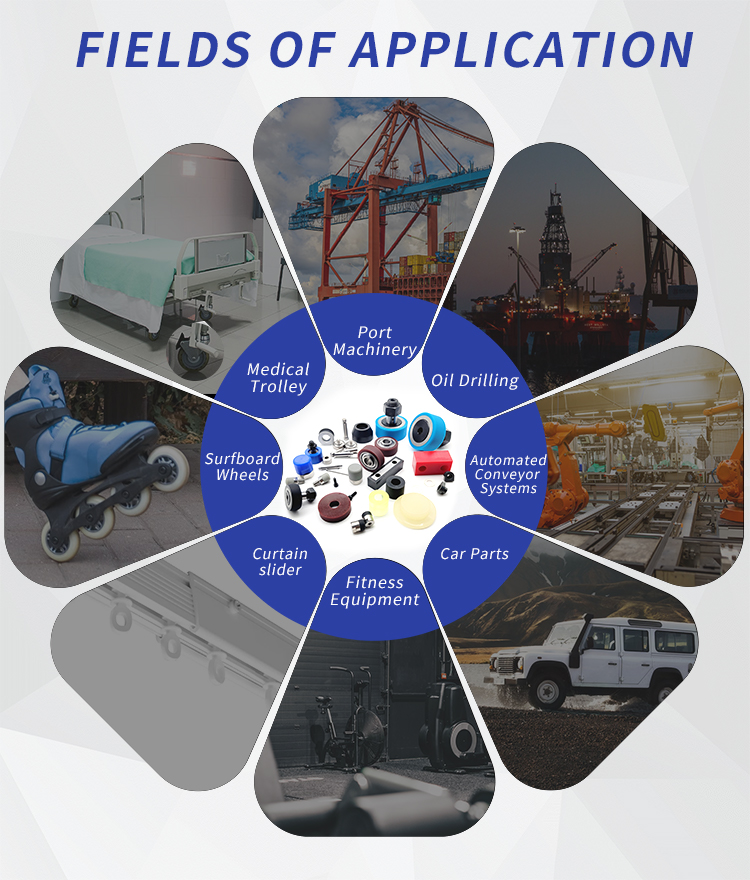
In the realm of industrial machinery, few components are as widespread, yet often overlooked, as ball bearings. These compact elements play a crucial role in reducing friction, supporting loads, and enabling smooth rotational or linear motion in thousands of applications across diverse industries. Despite their small size, ball bearings are vital to the performance, longevity, and efficiency of mechanical systems.
What Are Ball Bearings?
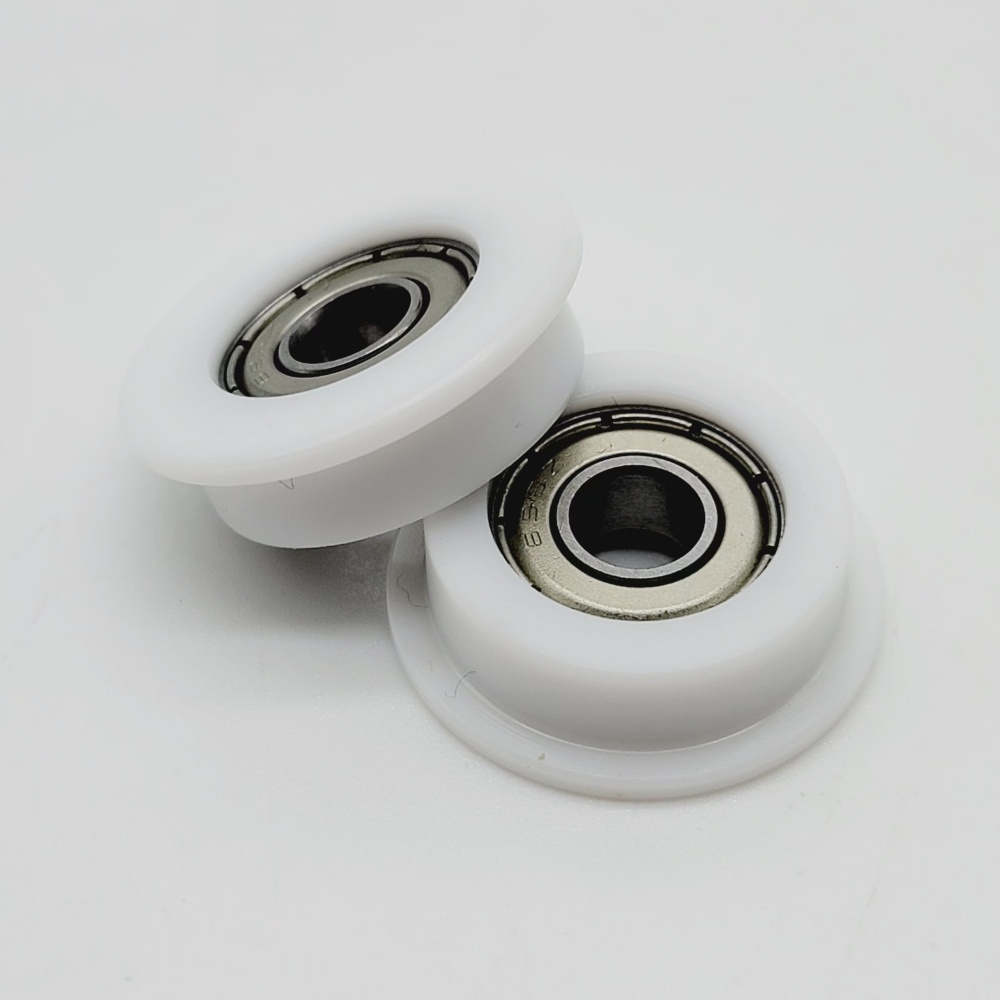
Ball bearings are a type of rolling-element bearing that uses steel balls to maintain separation between two bearing races. This arrangement reduces surface contact and allows for low-friction movement, often with minimal lubrication. A typical ball bearing consists of:
- Inner ring
- Outer ring
- Balls (usually hardened steel or ceramic)
- Cage (retainer to space the balls evenly)
- Shields or seals (optional, for dust/lubrication control)
The main function of ball bearings is to reduce rotational friction while supporting radial and axial loads, depending on the bearing type.
Types of Ball Bearings
| Bearing Type | Primary Feature | Common Application |
| Deep Groove Ball Bearing | Supports radial and light axial loads | Electric motors, conveyors, home appliances |
| Angular Contact Bearing | Handles combined loads, high speed operation | Machine tool spindles, pumps, automotive |
| Thrust Ball Bearing | Supports pure axial loads | Turntables, vertical shafts |
| Turntables, vertical shafts | Accommodates shaft misalignment | Agricultural machinery, textile equipment |
| Miniature Bearings | Compact size for limited spaces | Medical devices, robotics, drones |
Each design is engineered to perform under specific load, speed, alignment, or space requirements.
Material Considerations
The performance and durability of ball bearings are directly influenced by the materials used. The most common materials include:
- Chrome Steel (AISI 52100): Hard, wear-resistant, and economical—widely used in standard pplcatins.
- Stainless Steel (AISI 440C): Corrosion-resistant-ideal for food-grade, medical, and marine applications.
- Ceramic (Silicon Nitride or Zirconia): Lightweight, high-speed, and low friction—used in aerospace, high-speed motors, and precision applications.
- Plastic Housings with Steel or Ceramic Balls: For light-duty and low-noise environments
Material choice is based on the application's temperature, environment, load capacity, and maintenance accessibility.
Advantages of Ball Bearings
- Low friction enables energy-efficient motion
- High speed capability supports demanding machinery
- Long service life with minimal wear under proper use
- Compact size fits space-limited designs
- Standardized sizes simplify sourcing and replacement
Ball bearings are essential yet often invisible elements in mechanical systems. Their ability to reduce friction, support loads, and maintain precision makes them a cornerstone of modern manufacturing and engineering design. As industries evolve, ball bearing technologies continue to adaptbecoming smaller, stronger, and smarter to meet the demands of automation, energy efficiency, and durability.
Understanding the design, material, and performance specifications of ball bearings can provide significant advantages in selecting the right component for your application—ultimately influencing reliability, cost, and lifecycle performance.
Polyurethane Roller&wheel
Shock Absorbing Products
Pulley Wheel
Rack And Pinion
Spring Plunger
CNC Parts