Rubber-Coated Bolts vs. Standard Bolts: Functional Differences in Industrial Fastening
Fasteners may seem like minor components, but in industrial systems, the choice of bolt type can directly affect assembly longevity, vibration control, sealing efficiency, and maintenance outcomes. Among the many variations available, rubber-coated bolts have emerged as a specialized solution for environments requiring enhanced friction control, surface protection, or damping characteristics.
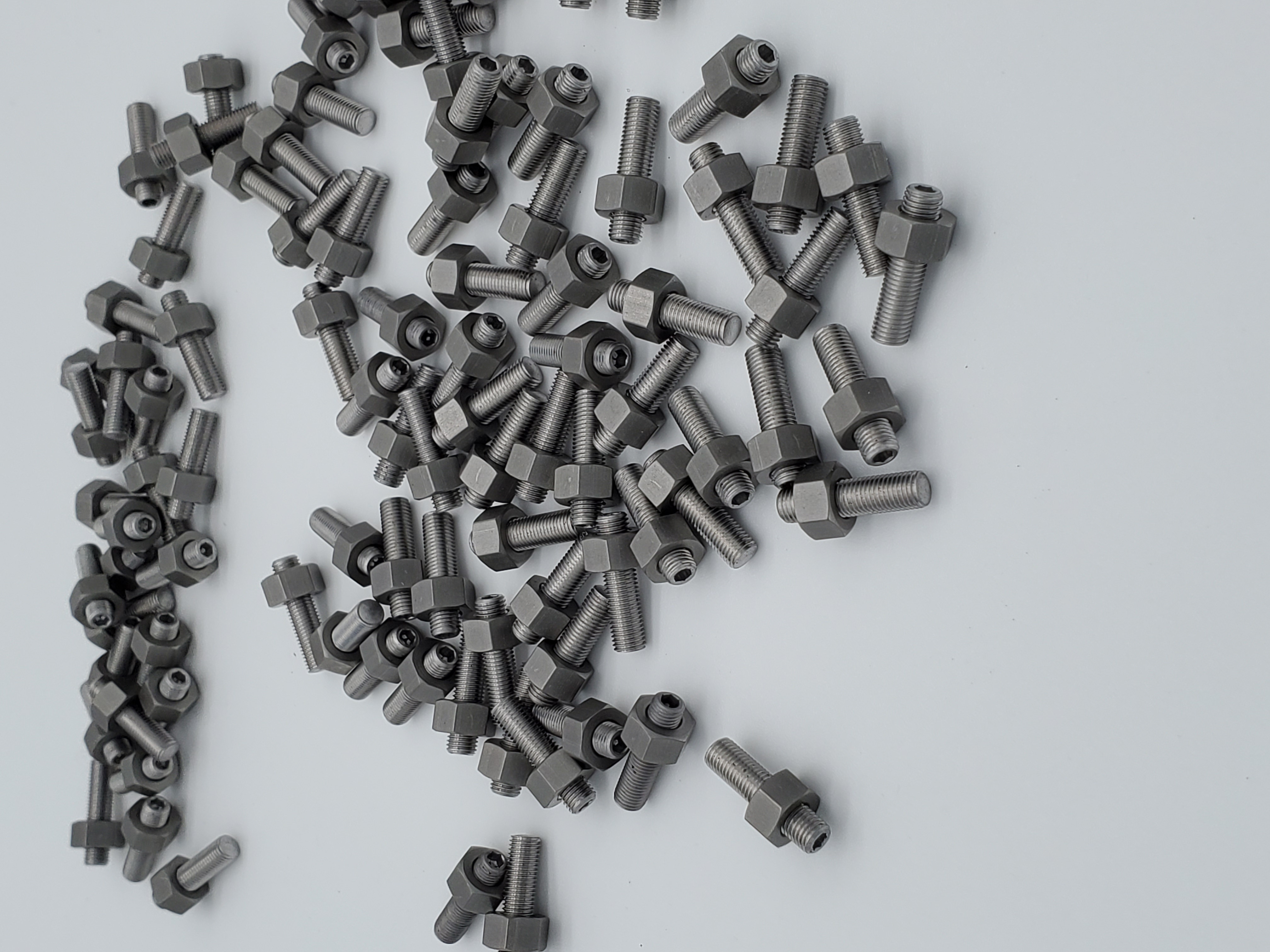
Structural Overview
Standard bolts are metal fasteners, typically made from carbon steel, stainless steel, or alloy steel. They consist of:
- A threaded shank
- A hexagonal or round head
- Uncoated, hard surface finish (sometimes plated with zinc or black oxide)
They provide rigid and strong fastening under high tension or shear loads and are widely used in general machinery, construction, and equipment assemblies.
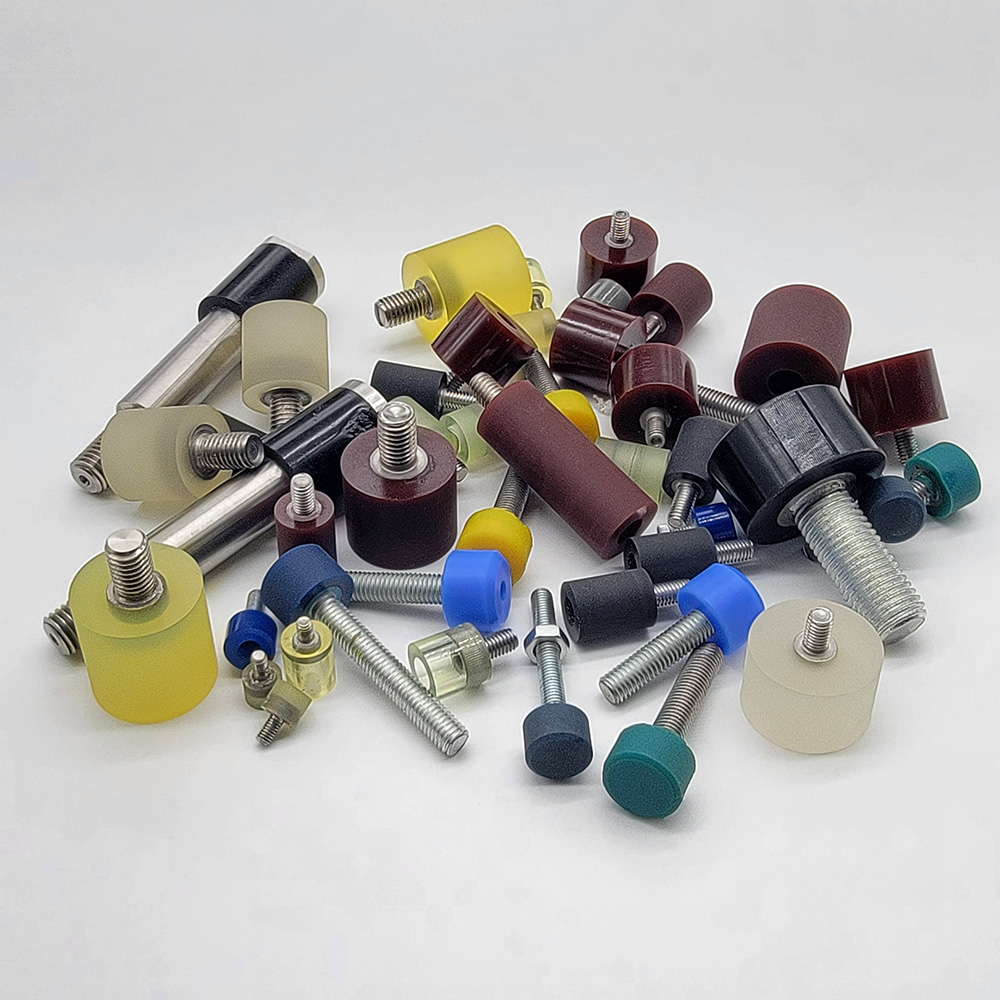
Rubber-Coated Bolts
Rubber-coated bolts are standard bolts that have been partially or fully covered with a vulcanized rubber or polyurethane (PU) layer, especially over:
- The bolt head
- The washer or flange area
- Sometimes even the shank surface
The rubber layer introduces soft-contact performance, vibration isolation, and surface protection not found in metal-only bolts.
Where Rubber-Coated Bolts Offer Advantages
Surface-Sensitive Assemblies
In systems where metal contact can cause wear or damage-such as painted surfaces, plastic housings, or coated panels—rubber-coated bolts reduce scratching and eliminate direct metal-to metal compression.
Anti-Vibration Requirements
Rubber-coated bolts provide limited shock absorption, useful in:
- Motor mounts
- Control boxes
- Precision equipment enclosures
They help maintain bolt tension by slightly absorbing lateral movement or vibration.
Enhanced Grip Without Over-Torque
The compressibility of the coating offers better friction without over-tightening, which is helpful when clamping soft or irregular surfaces such as rubber gaskets, plastic, or fiberboard.
Rubber-coated bolts and standard bolts serve fundamentally different purposes in the fastening landscape. While standard bolts remain the go-to solution for raw tensile strength and costeffectiveness, rubber-coated bolts are essential when protection, insulation, and damping are part of the engineering requirements.
Polyurethane Roller&wheel
Shock Absorbing Products
Pulley Wheel
Rack And Pinion
Ball Transfer Unit
Spring Plunger
CNC Parts