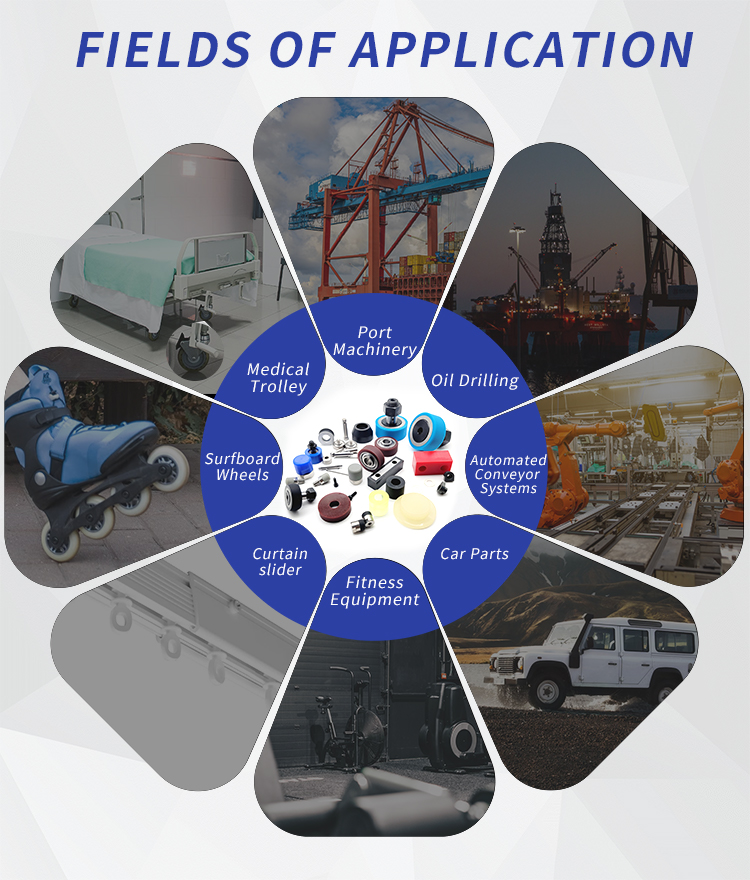
In the world of industrial motion, coated rollers are indispensable for conveying, transferring, and supporting loads in automated and manual handling systems. While much attention is placed on the choice of coating material and surface profile, a less visible—but equally critical—feature is often overlooked: the keyway.
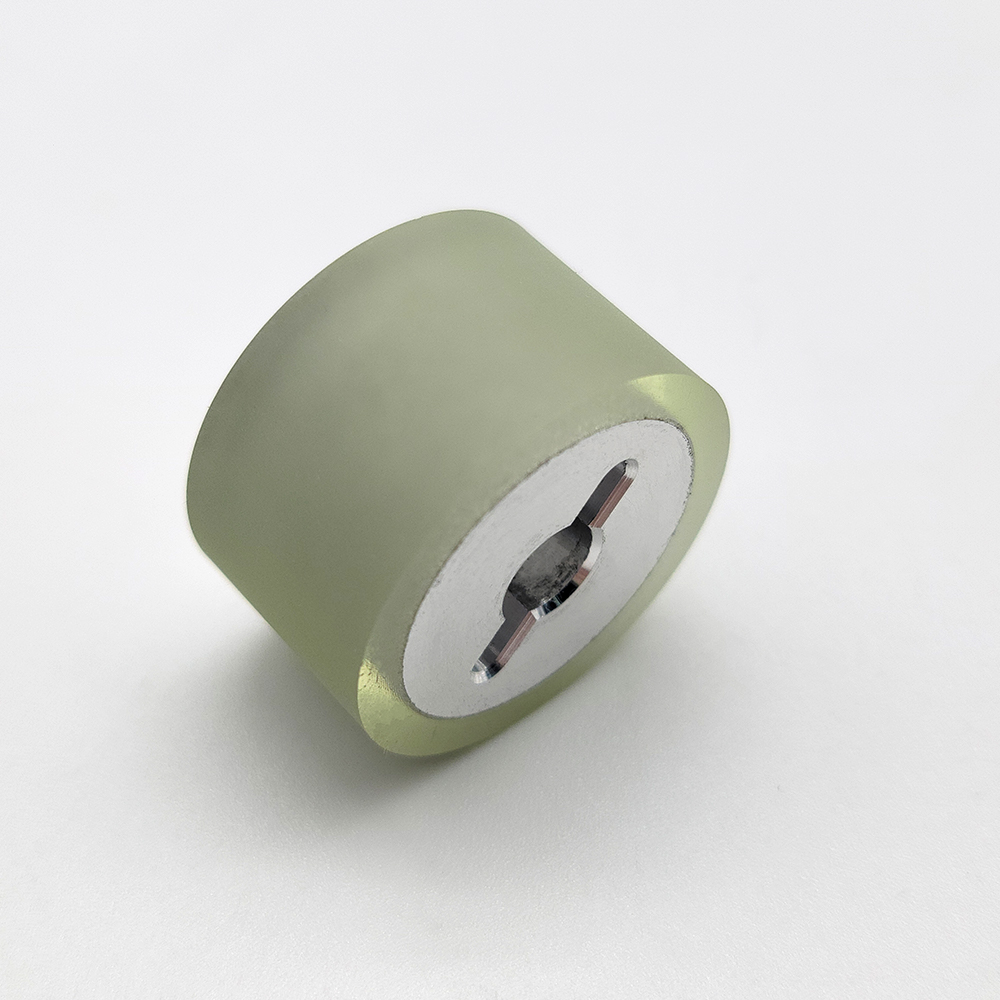
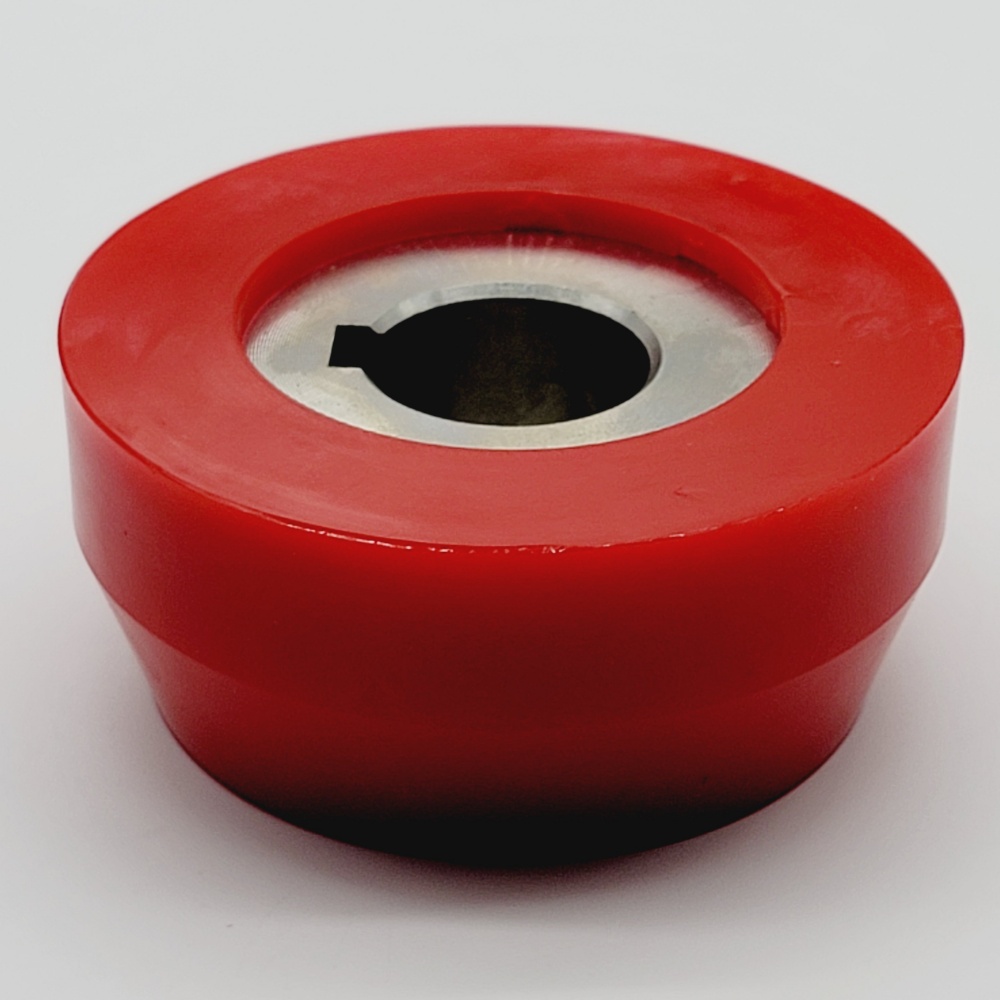
The keyway, a precisely machined slot typically found along the inner bore of the roller hub, plays a decisive role in ensuring torque transmission, preventing slippage, and extending operational reliability. Especially in coated rollers designed for drive functions, the keyway is not merely a structural element—it's a functional necessity.
What Is a Keyway?
A keyway is a narrow, straight slot that is machined into the inner bore of a roller or gear hub. It corresponds with a similar slot on the shaft, and a key—a solid piece of metal—is inserted into this interface. The purpose is to lock the roller to the shaft, enabling it to rotate in unison with the driving mechanism and transmit torque without slippage.
In coated rollers, the keyway is usually machined after the roller core is fabricated and before the coating process is completed. It may be part of a standard drive system in conveyor lines, printing equipment, or lifting units.
Why Keyways Matter in Coated Rollers
Torque Transmission
The primary purpose of a keyway is to ensure mechanical synchronization between the roller and the drive shaft. This is especially vital in powered systems, where the roller must rotate precisely and reliably without free spin or misalignment.
- Without a keyway, friction fit alone may not be sufficient under high torque loads.
- Misalignment or slippage can cause coating wear, heat generation, or system failure.
Preventing Slippage
In many industrial applications, rollers are exposed to sudden torque spikes, start-stop cycles, or directional reversals. The key-and-keyway system physically locks the roller core to the shaft avoiding micro-movements that can lead to wear, surface damage, or operational drift.
Alignment Stability
Coated rollers with keyways maintain consistent axial and rotational positioning, especially in linear systems where alignment is critical to product tracking or packaging accuracy.
Design Considerations for Keyways in Coated Rollers
- Core Material Compatibility
- Precision Machining
- Coating Protection
- Standardization vs Customization
Conclusion
While often hidden from view, the keyway in a coated roller is essential to its success in powered, high-load applications. It bridges the mechanical interface between roller and drive, ensuring controlled motion, reduced slippage, and long-term reliability.
Polyurethane Roller&wheel
Shock Absorbing Products
Pulley Wheel
Ball Transfer Unit
Spring Plunger
CNC Parts