In modern manufacturing and material handling, the demand for precision, efficiency, and adaptability continues to evolve. One area experiencing noticeable transformation is the use of custom-shaped rollers—a category of engineered components designed to meet specific application requirements that standard rollers cannot address. Whether in packaging lines, automated logistics systems, or high-speed printing presses, these tailored rollers are increasingly seen not as special exceptions but as deliberate engineering choices.
What Are Custom-Shaped Rollers?
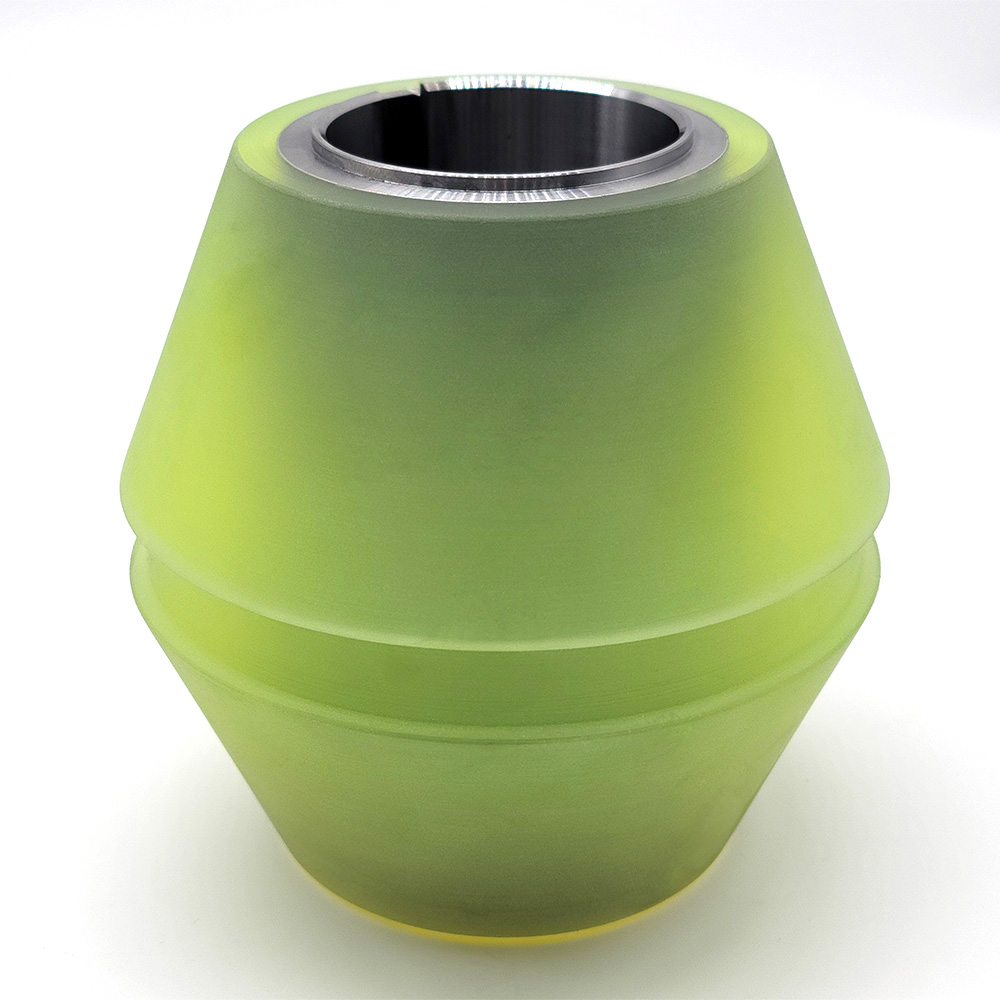
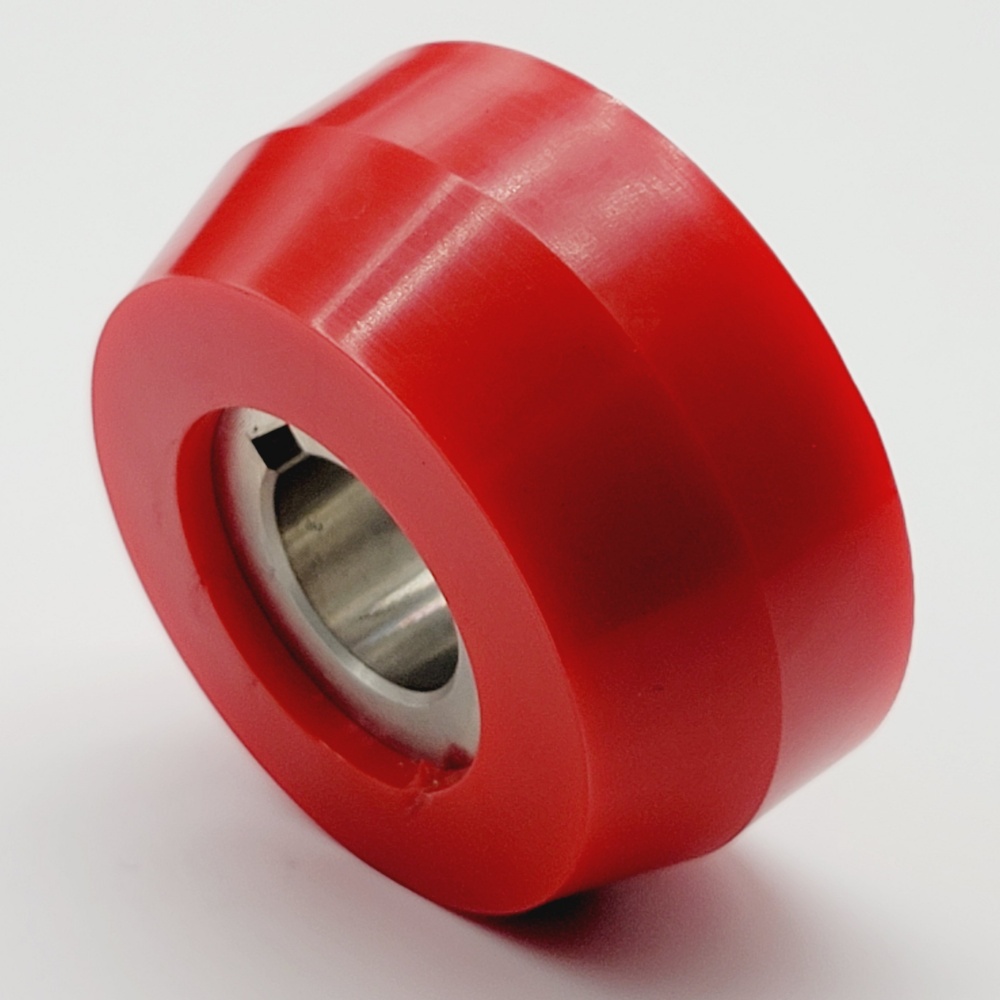
Custom-shaped rollers—also referred to as non-standard, profile-specific, or engineered rollers are mechanical rolling components that deviate from traditional cylindrical geometry. They may feature grooves, flanges, concave or convex profiles, or V/U/H configurations tailored to guide specific product shapes or match machinery constraints.
- Guiding shaped materials or profiles
- Stabilizing motion on uneven or non-cylindrical paths
- Reducing slippage or misalignment
- Enhancing contact surface control
Why Standard Rollers Aren't Always Enough
While cylindrical rollers work well in many applications, they can introduce limitations in more demanding setups. For instance:
- Flat rollers may allow lateral movement of components.
- Inconsistent tension or misalignment may occur in high-speed systems.
- They may cause wear on delicate surfaces due to improper shape contact.
In such scenarios, custom profiles solve critical mechanical challenges by matching the roller's contact shape to the physical geometry of the product or guideway.
Key Benefits of Custom-Shaped Rollers
- Precision Material Control
In systems requiring fine-tuned movement—such as textile winding machines, wire extrusion lines, or narrow conveyor lanes—custom rollers maintain centered alignment and steady tension.
- Reduced Product Damage
Grooved or contoured rollers can distribute contact pressure more evenly across fragile or soft materials, such as coated wires, plastics, or laminated substrates, reducing wear and surface damage.
- Improved Line Efficiency
Rollers tailored to a specific function can improve tracking, reduce vibration, and minimize interruptions from jamming or misfeeds, especially in high-throughput operations.
- Enhanced Machine Integration
Custom rollers can be designed to fit space constraints, unusual angles, or specific mounting configurations—often enabling compact machine design or retrofit into existing systems.
- Material Optimization
By specifying surface coatings, hardness zones, or multi-material construction (e.g., rubber-coated aluminum cores), custom rollers can provide a blend of grip, wear resistance, and low inertia—key in automated environments.
Custom-shaped rollers are no longer niche components—they are enablers of smart, efficient, and product-specific engineering. Whether used to guide, grip, support, or protect, their contributions to system performance are both measurable and valuable. As machines evolve to handle more complex demands, rollers designed around application needs—rather than mass manufacturing standards—will play a central role in next-generation industrial performance.
Polyurethane Roller&wheel
Shock Absorbing Products
Pulley Wheel
Ball Transfer Unit
Spring Plunger
CNC Parts