In industrial environments where pipes need to be supported, guided, or rotated with care and precision, V pipe rubber rollers offer a reliable and damage-reducing solution. These rollers,characterized by their V-shaped configuration and rubber-coated surfaces, are commonly used inpipe welding stations, inspection setups, and transport systems. They are designed not only to holdpipes securely in place but also to prevent surface damage-a critical factor when handling coated or high-grade materials
Structural Overview
V pipe rubber roller typically consists of:
- A Metal Frame or Base: Provides structural strength and mounting stability
- Two Inclined Rubber-Coated Rollers: Positioned to form a "V," these rollers cradle the pipe securely while allowing rotation.
- Rubber Layer: Applied to the roller surface, the rubber ensures non-slip contact, absorbslshocks, and protects the pipe surface from scratches or deformation.
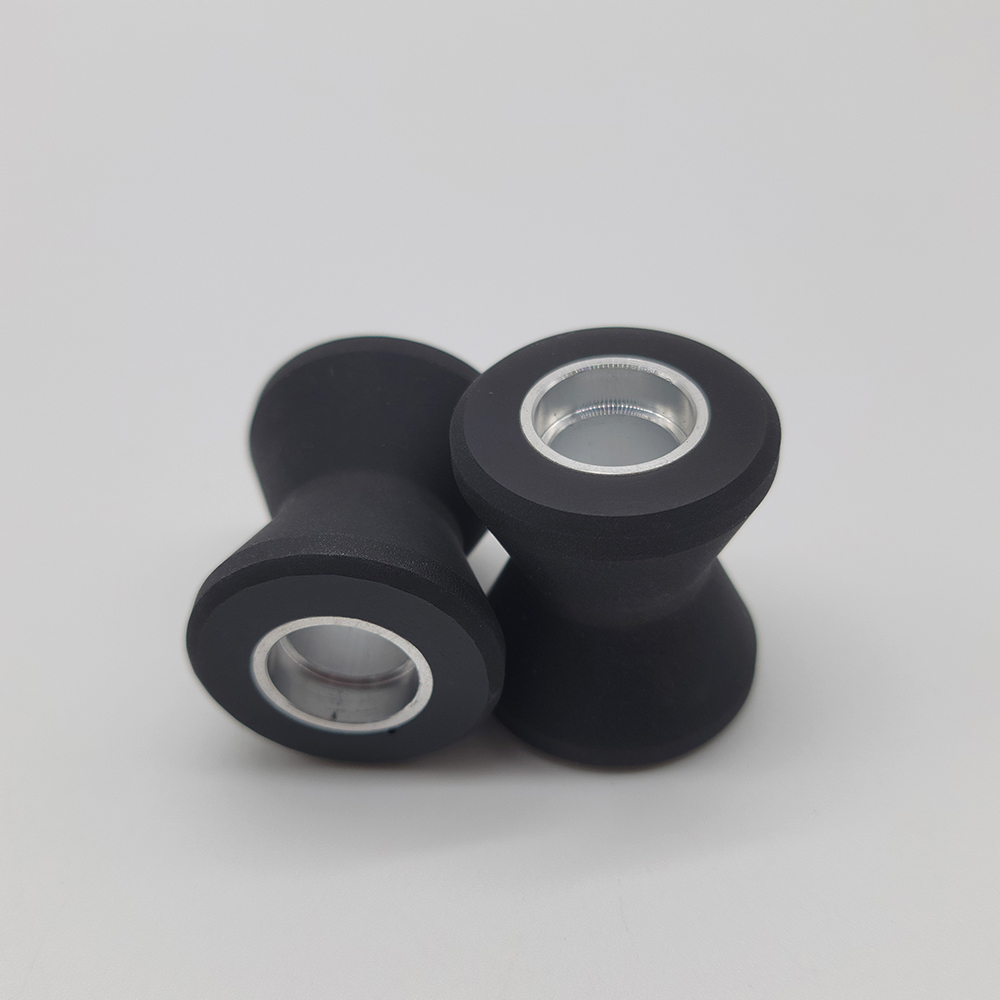
Rubber materials used may include natural rubber, nitrile rubber, EPDM, or polyurethane blends, depending on the application's environmental and mechanical requirements.
Key Functional Benefits
- Surface Protection: The rubber coating prevents direct metal-to-metal contact, reducing risk of pipe coating damage.
- Vibration Damping: Rubber layers absorb minor shocks and vibrations during rotation or movement.
- Secure Pipe Holding: The V-angle ensures centralized support and reduces the chance of pipe slippage.
- Controlled Rotation: Ideal for operations such as orbital welding or non-destructive testing where slow, steady motion is essential.
Industrial Applications
V pipe rubber rollers are commonly found in:
- Pipeline Construction Yards: Used during welding, inspection, or coating applications.
- Fabrication Workshops: Assist in alignment and positioning of steel or plastic pipes for joining.
- Automated Welding Stations: Work in conjunction with motorized systems to rotate pipes uniformly.
Material and Design Considerations
When selecting or specifying V pipe rubber rollers, manufacturers and engineers consider:
- Load Capacity: Roller cores must withstand the weight of large-diameter pipes; core materials are typically steel or cast iron.
- Rubber Hardness: Shore A hardness ratings are matched to the pipe's surface requirements— softer rubber for fragile coatings, harder for heavy loads.
- Chemical Resistance: In environments with oil, grease, or solvents, rubber compounds like NBR or EPDM are preferred.
- Temperature Range: Outdoor or heat-involved applications require rubber that retains elasticity across temperature swings.
Trends and Developments
- Custom-Fit Rollers: Increasing demand for rollers that match specific pipe diameters or coatings has led to more made-to-order V roller solutions.
- Hybrid Coatings: Some designs integrate both rubber and polyurethane to balance grip and abrasion resistance.
- Mobility & Modularity: V pipe roller assemblies are now more commonly built into mobileframes or adjustable setups for flexible field use.
V pipe rubber rollers provide a smart balance of mechanical stability and surface protection in industrial pipe handling. Their design minimizes damage to valuable piping systems whilesupporting safe and efficient workflows. As industries evolve toward greater material specialization and process automation, the need for durable, customizable, and application-specific V rollers is expected to grow steadily.
Polyurethane Roller&wheel
Shock Absorbing Products
Pulley Wheel
Ball Transfer Unit
Spring Plunger
CNC Parts
Ungrouped